
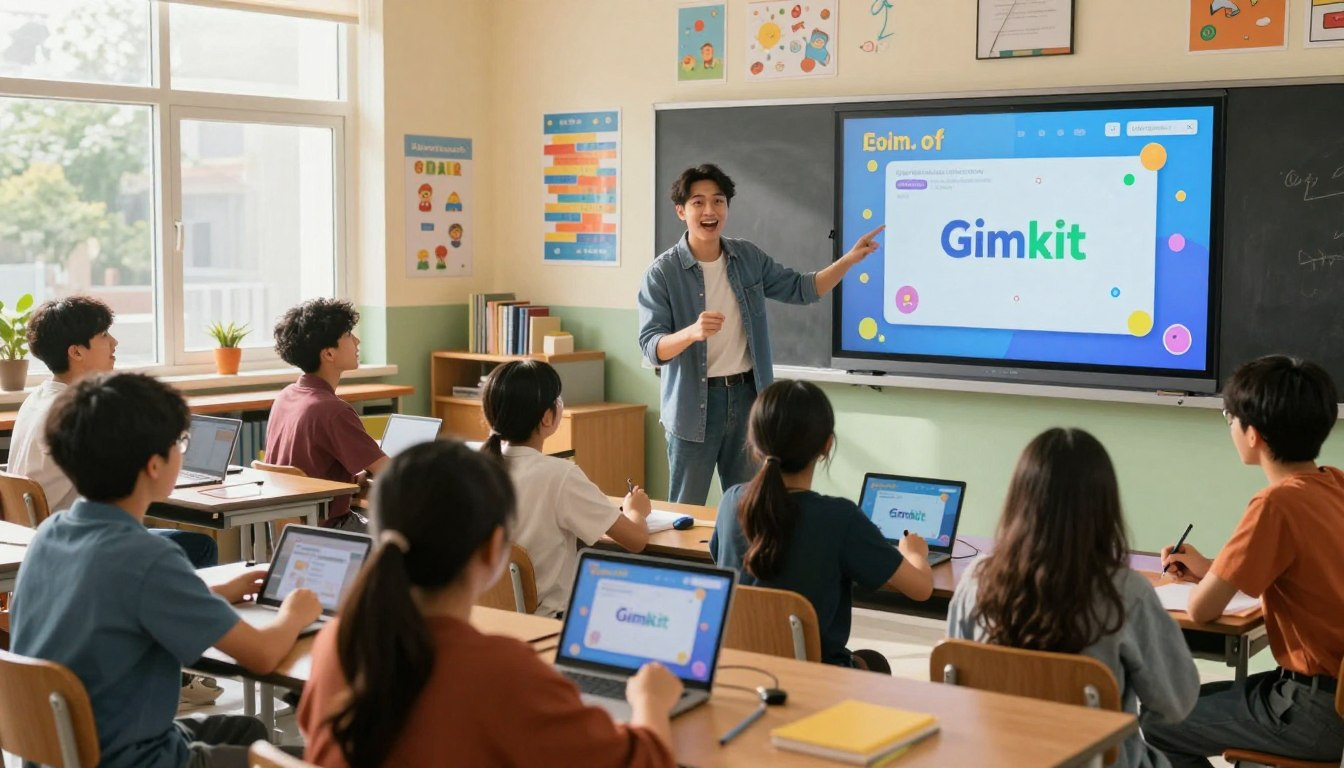
I’m always searching for new ways to make learning fun in my classroom. Interactive technology has been a game-changer. When I started gimkit hosting, my students were hooked from the start.
Active learning is key in my teaching style. By making lessons into games, students learn and enjoy it. It changes the classroom vibe in a good way.
In this guide, I’ll share my best tips for hosting your own games. We’ll cover how to gimkit host well, manage live games, and get everyone involved. Plus, we’ll talk about the latest updates to keep you ahead. Let’s make your next lesson unforgettable!
What the Latest Gimkit Host News Means for Teachers
Keeping up with gimkit host updates is key for me. It helps my lessons run smoothly. By understanding these changes, I can adjust my teaching to meet my students’ needs better.

Recent Gimkit updates affecting classroom hosting
The developers often update gimkit host to make it faster and more stable. These updates help a lot during busy school times. It makes it easier for me to handle big groups of students.
Where teachers can verify new features, policies, and availability
I check the official Gimkit blog and dashboard notifications for updates. These sources give me the latest on policy changes or when services are available. Using these official channels helps me prepare for gimkit host sessions without confusion.
Who is affected by changes to live games and classroom accounts
Teachers who use live games for assessments will notice these updates. Students also feel the impact, as changes can affect how they play. It’s vital for me to review these updates to keep my account settings right for my classroom.
Potential consequences for teachers, students, and school administrators
If I miss these updates, I might face technical issues during lessons. For students, changes in the gimkit host interface can cause frustration or lost time. School administrators also benefit when I stay informed, keeping our digital tools effective and secure for all.
How Gimkit Host Works During a Classroom Game
When I become a Gimkit game host, I’m like a conductor leading an interactive learning orchestra. My main task is to create a fun learning environment. I do this by using games to make learning exciting.
The role of a Gimkit game host
I keep the classroom lively as the facilitator. I start the game, watch how students do, and adjust the pace. This ensures everyone is challenged but not too stressed. As a Gimkit game host, I’m always ready to explain tricky concepts.

How teachers, students, and game sessions connect
Connecting is easy and fast. I start a session from my dashboard, creating a unique code for students. This code lets me see who’s ready, making sure we all start together.
Game modes, student participation, and teacher controls
I control the game environment, which is a big plus. I can pick from different game modes, like individual or team play. These teacher controls let me adjust settings to keep the game exciting.
How live feedback supports learning instead of guessing
Being a Gimkit game host lets me see how students do in real time. I can see which questions are tricky. This helps me pause the game to clear up any confusion, making learning more effective.
Privacy, account, and classroom access considerations
Student safety is my top priority. The platform keeps my sessions private, with a special code for entry. By managing my account settings, I create a safe space for students to learn without distractions.
How I Prepare Gimkit Host Before Students Join
Getting ready for a lesson means setting up a strong classroom Gimkit setup before students arrive. I take ten minutes to get my digital space ready. This step avoids tech problems and keeps the focus on learning.
Choosing a kit that matches my lesson objective
I pick a kit that fits my lesson goals first. Whether it’s a quick vocab review or a deep dive into complex topics, the content must match my plan. Choosing the right material makes the game time useful, not just a break.
Checking devices, browsers, internet access, and display settings
I make sure my classroom tech is ready before class starts. I check my browser and internet connection to ensure they’re stable for all devices. A solid classroom Gimkit setup keeps the game moving smoothly.
Creating or selecting a game session
With the kit ready, I set up the game session for my class. This lets me tailor the experience to my students’ needs.
Setting time limits, question pacing, and participation rules
I adjust the time and question pace to match the difficulty. I also set clear rules, like whether students work alone or in teams. These rules help me keep the lesson flowing well.
Testing the join process before class begins
I test joining the game from a student device before class. This confirms the link works and the classroom Gimkit setup is good to go. It reassures me that students can join without trouble.
Explaining the game expectations to students
Before we begin, I tell the class what to expect. I explain how to use the interface and the session’s goals. This helps students stay focused from the start.
Balancing competition with respectful classroom behavior
I remind students that while competition is fun, respect is key. I encourage them to support each other and keep the noise down. Here’s a quick checklist of what I do before the game.
| Task Category | Action Item | Priority Level |
|---|---|---|
| Content | Select relevant kit | High |
| Technology | Test internet/browser | High |
| Game Rules | Set time and pacing | Medium |
| Classroom | Review expectations | High |
How I Run an Engaging Gimkit Host Session
When I start a live Gimkit classroom game, my main goal is to keep students focused. I show the join code on the whiteboard right away. This way, everyone can see it, no matter where they are in the room. Efficiency is key to keep the energy up and prevent distractions.
Opening the game and helping students join quickly
I always have my browser ready with the game dashboard open. I show a clear guide on the screen to help students find their way. This lets me help those who need it, making sure everyone can join without trouble.
Using live progress data to guide my instruction
Once the game starts, I watch the live dashboard closely. It shows me which topics are hard for my class. If a question is causing trouble, I step in to help.
Pausing the game to clarify difficult questions
If many students struggle with a question, I pause the live Gimkit classroom game. This lets us focus on understanding the tough parts together. It turns the game into a chance for us to learn as a team.
Turning incorrect answers into short teaching moments
When students get a question wrong, I see it as a chance to teach. I explain the correct answer and why it’s right. As John Dewey said:
“We do not learn from experience… we learn from reflecting on experience.”
John Dewey
Keeping momentum without letting competition distract from learning
It’s easy for students to get caught up in the competition. But I remind them that learning is the real goal. I encourage teamwork, so everyone can help each other succeed.
Using teams, time limits, and mode choices thoughtfully
I pick game modes that fit my lesson plans. Here’s how I choose settings to keep students engaged:
| Game Mode | Primary Benefit | Best Use Case |
|---|---|---|
| Team Mode | Collaboration | Complex problem solving |
| Time Limit | Urgency | Quick vocabulary review |
| Classic | Individual Pace | Self-assessment |
By adjusting these settings, I make sure every live Gimkit classroom game is productive. Being intentional with my choices keeps students motivated and improves their learning.
Ways I Make Gimkit Host Games More Inclusive and Effective
Creating inclusive Gimkit games makes sure every student feels important. I think technology should make learning fun, not stressful. By tweaking how I host, I can include students who might feel left out.
Adapting question difficulty for different learners
I prepare different kits for my students. For those needing help, I start with basic questions. Then, we move to harder ones. This scaffolded approach helps students grow in confidence.
Supporting students with limited devices, connectivity, or confidence
Technical problems shouldn’t stop anyone from joining in. If a device fails, I pair them with someone who has a good connection. This collaborative pairing keeps them part of the game without the stress of being alone.
Using team play to encourage collaboration
Team modes help build community. I group students by their strengths to ensure everyone contributes. This way, we focus on solving problems together, not just fast.
Preventing dominant players from controlling the experience
One student might dominate too much. To avoid this, I give each team member a role. This way, everyone must work together to win.
“True inclusion in the classroom happens when we design our activities to meet students where they are, not the other way around.”
Connecting game results to review, discussion, and assessment
The game doesn’t end when it’s over. I use the results to discuss the most missed questions. This turns the game into a powerful formative assessment tool.
Recording misconceptions for the next lesson
I keep track of common mistakes for future lessons. If we struggle with something, I know what to focus on next. Below is a list of my top strategies for an inclusive classroom.
| Strategy | Goal | Impact |
|---|---|---|
| Paired Play | Connectivity Support | Higher engagement |
| Role Assignment | Balanced Participation | Reduced dominance |
| Data Review | Targeted Reteaching | Improved mastery |
By using these strategies, my inclusive Gimkit games are a key part of our learning. Every student gets a chance to shine, thanks to these small changes.
How I Evaluate Gimkit Hosting Options and New Platform Changes
I often weigh the benefits of native platform features against third-party solutions. The built-in tools are great for the classroom. But, some educators look for external Gimkit hosting services for bigger events or special needs.
Comparing Gimkit’s built-in hosting with an outside Gimkit hosting service
The main advantage of native tools is seamless integration with student data. Using the official tools, I know my classroom data stays secure. The features also update in real-time to match the latest game modes.
What to look for in the best Gimkit host experience
Finding the best Gimkit host means prioritizing safety and stability. I look for platforms that offer consistent performance. This is key when I have a full room of students relying on the game.
Reliability, classroom controls, student privacy, and support
I seek tools with strong classroom controls for instant adjustments. Student privacy is a must, so I check district data policies. Reliable support is also key for solving technical issues during live sessions.
Why affordable Gimkit hosting may not provide the right safeguards
It’s tempting to find affordable Gimkit hosting to save money. But, these services often lack security. I’ve learned that cheap services might not protect student data well. I prefer secure, verified methods for a safe classroom.
Assessing claims about professional Gimkit hosting and top Gimkit host providers
When evaluating a professional Gimkit hosting provider, I look for transparency. A top Gimkit host should clearly explain their infrastructure. They should also follow educational privacy regulations.
Questions to ask before using online Gimkit hosting
Before choosing online Gimkit hosting, I ask key questions. I want to ensure it meets my standards:
- Does the provider have a clear privacy policy for minors?
- How do they handle technical support during school hours?
- Are their servers optimized for high-traffic classroom environments?
- Do they offer features that enhance, not complicate, my lesson plan?
How recent updates may influence my hosting decision
The world of Gimkit hosting platforms changes fast with new features. I always review the latest updates before deciding on hosting. Staying informed helps me ensure a stable and engaging experience for my students.
You May Also Raed: Stealthgram
Conclusion
Effective classroom game hosting changes how students deal with tough lesson material. Success comes from good preparation, watching students closely, and making sure everyone gets a chance to participate.
I make sure every student feels supported during the session. I check my tech setup before the lesson starts. This helps everyone have a good experience.
Stay current with new platform features to improve your hosting skills. Using official Gimkit resources helps you choose the right digital tools.
Think about how your students react to different game modes. Being able to adjust and guide the learning makes these tools very useful in your teaching.
Begin your next session with confidence by remembering these tips. I’m excited to hear how your students grow through these fun digital experiences.
FAQ
What exactly is my role when I act as a Gimkit host?
As a Gimkit host, I’m like the conductor of the classroom. I pick the kit, set the game rules, and watch how students do in real-time. This role lets me see which questions are hard for my students. I can then stop the game to help them understand better.
Where can I find the best Gimkit host experience for my students?
The best Gimkit host experience is on the official Gimkit hosting platform. It’s tempting to look elsewhere, but the official site is the safest and most reliable. It keeps my students’ data secure.
Are there reliable and affordable Gimkit hosting options for educators?
Yes, Gimkit has great options for teachers. They offer a free tier and a “Pro” version for unlimited access. This makes Gimkit a top choice for teachers who want quality without spending a lot.
Why should I be wary of using a third-party online Gimkit hosting provider?
I always put my classroom’s privacy first. Using unofficial sites can be risky because they might not protect data like the official site does. I stick to vetted tools for a safe hosting environment.
How can I ensure a smooth session as a Gimkit game host?
To host a great Gimkit game, I do a quick tech check before class. I check the internet, make sure my display is ready, and sometimes test joining on a second device. This prep helps my session run smoothly.
How do I stay updated on changes to the Gimkit hosting platform?
I regularly check the official Gimkit blog and news. The platform is always changing, so staying informed helps me adapt. This way, I can always give my students the best experience.
Can I use Gimkit for remote or hybrid learning environments?
Yes, I use Gimkit for both in-person and online classes. Its web-based nature means students can join from any device. This makes it perfect for today’s teaching needs.