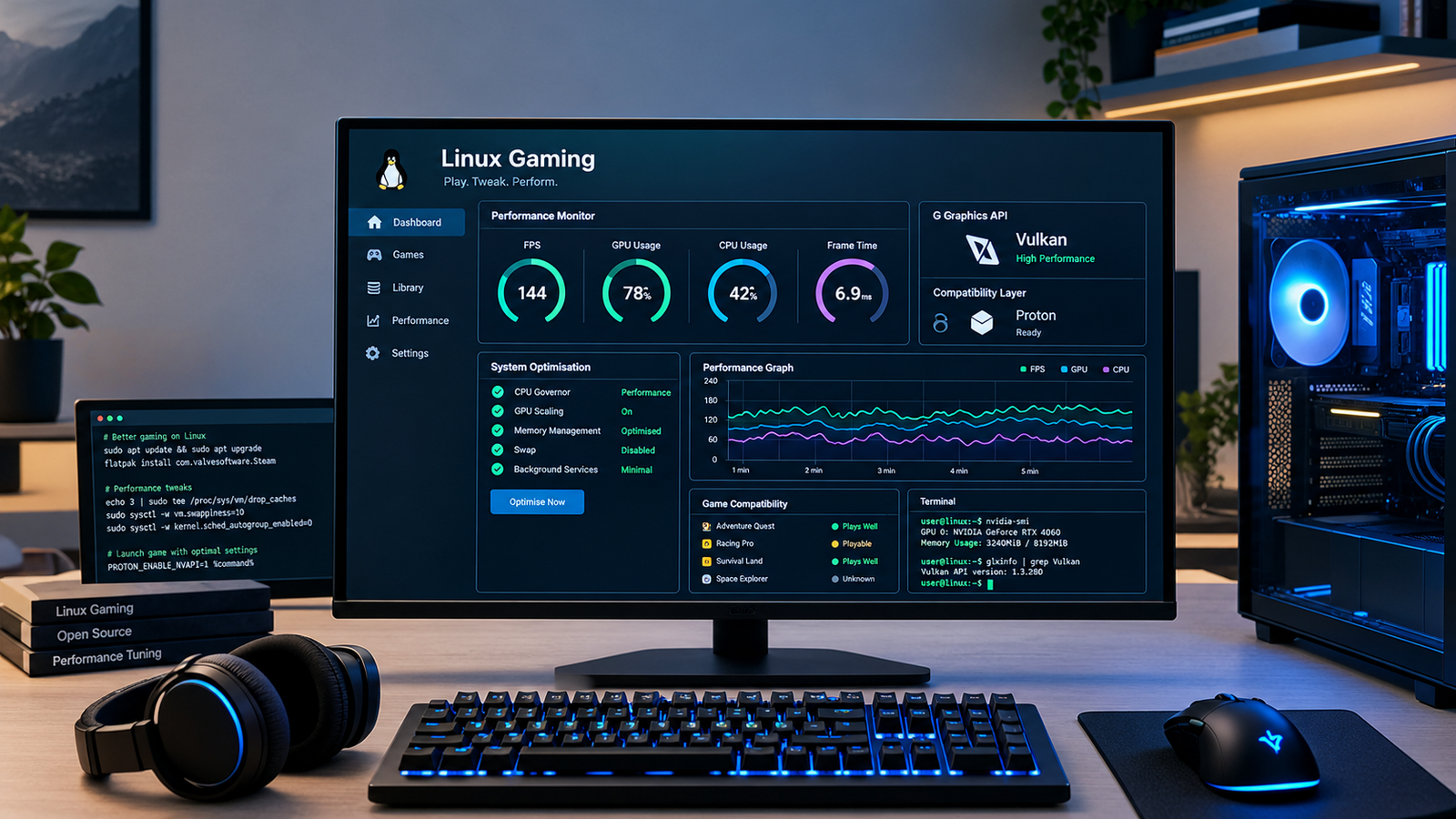


Technology is no longer something businesses can treat as a background support function. AI, automation, cloud computing, cybersecurity, data analytics and digital transformation are changing how companies operate, compete and serve customers. That is why interest in droven.io enterprise tech innovation has started appearing around discussions of modern enterprise technology and business transformation.
At first glance, the phrase may sound like the name of a software platform. However, current information about Droven.io presents it primarily as a technology and AI content platform rather than a single enterprise software product. Its public site focuses on artificial intelligence, emerging technologies, startups and business strategies, while its broader categories cover areas such as information technology, software development, digital transformation and future technology.
Understanding that distinction is important because enterprise innovation is much bigger than buying one new tool. Businesses need to understand how technologies fit together, where they create measurable value, and which innovations actually solve real operational problems. This guide explores the meaning behind droven.io enterprise tech innovation and explains how businesses can approach modern technology more intelligently.
What Is Droven.io Enterprise Tech Innovation?
The simplest way to understand droven.io enterprise tech innovation is as a technology-focused concept surrounding the use of modern digital technologies to improve business operations, decision-making, efficiency and long-term competitiveness. Droven.io’s public content covers areas including AI, machine learning, generative AI, automation, cloud computing, cybersecurity, software development and digital transformation.
This makes the topic particularly relevant to business owners, technology professionals, developers and decision-makers who want to understand where enterprise technology is heading. Instead of looking at innovation as one isolated product, businesses can look at the complete technology ecosystem. AI may improve decision-making, cloud infrastructure can provide flexibility, automation can reduce repetitive work, and cybersecurity can protect the systems connecting everything together.
There is also an important difference between technology information and technology implementation. A content platform can help someone understand a technology before making a purchasing or implementation decision, but the actual deployment still requires appropriate software, infrastructure, people, governance and business planning. That distinction prevents companies from confusing research with a ready-made enterprise solution.
Why Enterprise Technology Innovation Matters in 2026
Enterprise technology is moving quickly, and companies that delay every technology decision can eventually find themselves dealing with outdated infrastructure and inefficient processes. At the same time, blindly adopting every new trend can waste money. The real challenge is finding the balance between innovation and practical business value.
AI is one of the strongest examples of this shift. The enterprise technology landscape is increasingly moving toward AI-native applications and agentic systems, while businesses are also exploring automation, analytics and cloud-native infrastructure. A 2025 Enterprise Tech 30 report from Wing Venture Capital highlighted the growing importance of AI-native applications and agentic systems in enterprise technology.
For this reason, modern innovation should not be measured by how many new tools a company buys. A better measurement is whether those technologies make work faster, improve customer experiences, reduce unnecessary costs, strengthen security or help employees make better decisions. The most useful innovation is usually the kind that solves a clearly defined problem.
How AI Is Changing Enterprise Innovation
Artificial intelligence has moved beyond being an experimental technology for many organizations. Businesses now use AI for customer support, content analysis, forecasting, software development, document processing, marketing, data analysis and other workflows. Droven.io’s own public categories show a strong focus on AI tools, machine learning, generative AI, AI in business and AI automation.
Generative AI is particularly interesting because it allows employees to interact with technology using natural language. Instead of navigating complicated systems for every small task, workers can increasingly ask AI systems to summarise information, draft content, analyse documents or assist with routine decisions. This can reduce friction and allow employees to spend more time on higher-value activities.
However, AI adoption also creates new responsibilities. Businesses need reliable data, appropriate access controls, privacy policies, human oversight and clear rules around how AI-generated information is used. Enterprise innovation works best when AI is treated as part of a broader business system rather than as a magic solution that can automatically fix inefficient processes.
Cloud Computing and Scalable Business Infrastructure
Cloud computing has become another major part of enterprise technology innovation. Instead of depending entirely on physical infrastructure, organizations can use cloud environments to access computing resources, applications, storage and other services more flexibly. This can be particularly useful for companies that need to scale operations quickly or support distributed teams.
Cloud technology also works closely with other areas of innovation. AI applications require computing resources, data platforms need scalable infrastructure, and modern software development often depends on cloud-based environments. This interconnected nature means that enterprise innovation is rarely about one technology working independently.
Still, cloud migration needs careful planning. Moving an old system to the cloud without understanding its architecture can create new costs and operational problems. Businesses should evaluate security, compliance, performance, integration, data management and long-term expenses before deciding how much of their infrastructure should move to cloud platforms.
Automation and Digital Transformation
Automation is one of the clearest ways technology can produce measurable business improvements. Repetitive tasks such as data entry, reporting, document processing, notifications and workflow management can often be automated when the underlying process is properly structured.
Droven.io’s technology categories include automation and RPA, AI in business processes, big data and analytics, cloud migration and Industry 4.0 technologies. These areas demonstrate how modern digital transformation increasingly connects software, data and automated workflows rather than treating each project separately.
The key is to automate the right processes. Automating a poorly designed workflow may simply make a bad process run faster. Successful companies first understand where delays, duplication and manual errors occur, then determine whether automation can address those specific problems. This approach usually produces better results than adopting automation simply because it is fashionable.
Cybersecurity Must Be Part of Innovation
Innovation without security creates unnecessary risk. As companies connect more applications, employees, devices and cloud services, the potential attack surface becomes more complicated. Cybersecurity therefore needs to be considered from the beginning of any enterprise technology project.
Modern security strategies increasingly involve identity management, access controls, monitoring, encryption, secure development practices and employee awareness. A business introducing AI, cloud applications or automated workflows should also ask who can access the data, where that data is stored, how it moves between systems and what happens if an account is compromised.
Droven.io’s information technology coverage includes cybersecurity and data privacy alongside cloud computing, IT infrastructure and DevOps. That combination makes sense because these areas increasingly overlap. Secure infrastructure, reliable development processes and appropriate data controls are essential foundations for sustainable digital innovation.
Data and Analytics as the Foundation of Better Decisions
Data is often described as the fuel behind modern technology, but having large amounts of data does not automatically create business value. Companies need clean, accessible and relevant information before analytics or AI can produce dependable results.
Business analytics can help organizations identify trends, understand customer behaviour, monitor performance and find operational problems. When combined with AI, analytics can become even more useful by helping teams identify patterns and generate insights faster.
The challenge is data quality. Duplicate records, incomplete information, outdated databases and disconnected systems can reduce the usefulness of sophisticated technology. Before investing heavily in advanced AI or analytics, organizations should therefore examine the quality of their existing data environment.
Who Can Benefit From Droven.io Technology Insights?
Business leaders can use technology-focused resources to become more informed before approving major technology investments. A CEO or operations manager may not need to understand every technical detail of an AI model or cloud architecture, but they should understand what a technology can realistically accomplish and what limitations it may have.
Developers and IT professionals can also benefit from broader technology coverage. Areas such as software development, DevOps, AI coding tools, cybersecurity and cloud computing are constantly evolving. Droven.io’s public category structure reflects this broad technology focus.
Even students and technology enthusiasts can benefit because enterprise innovation affects the skills employers increasingly value. Learning about AI, automation, cloud systems, cybersecurity and data can provide a stronger understanding of where the technology industry is moving.
Common Mistakes Businesses Make With Technology Innovation
One common mistake is chasing trends without identifying a business problem first. A company may hear about AI agents and immediately want to deploy them, even though its underlying workflow is poorly documented. Technology should follow business requirements rather than the other way around.
Another mistake is ignoring employees. New systems often fail not because the technology itself is weak, but because workers do not understand how to use it or do not see why the change matters. Training, communication and gradual implementation can make a significant difference.
A third mistake is measuring innovation through features instead of outcomes. A platform may have dozens of impressive capabilities, but if none of them improve productivity, revenue, customer satisfaction or risk management, the investment may not be justified. Successful enterprise innovation starts with measurable objectives.
How Businesses Can Build a Smarter Innovation Strategy
The first step is to identify a specific business challenge. For example, a company might have slow customer support, excessive manual reporting or outdated infrastructure. Once the problem is clear, technology teams can evaluate possible solutions instead of beginning with a particular product.
The second step is to start small. A controlled pilot can help a company test performance, user adoption, security and financial impact before committing to a larger rollout. This is particularly useful for emerging technologies where real-world results can differ from marketing claims.
Finally, businesses should continuously measure results. Enterprise technology is not a one-time project. Systems require updates, security reviews, employee training and performance monitoring. A strong innovation strategy therefore treats technology as an ongoing capability rather than a single transformation campaign.
What the Future of Enterprise Tech Innovation Looks Like
The next phase of enterprise innovation will likely involve more connected AI systems, intelligent automation, cloud-native applications, advanced analytics and stronger cybersecurity. AI-native applications and agentic systems are already prominent themes in enterprise technology discussions.
The interesting part is that these technologies are beginning to overlap. An AI system can analyse business data, automation can act on the resulting information, cloud infrastructure can scale the workload, and cybersecurity systems can control access to the entire process. This creates a much more integrated technology environment.
For businesses, the biggest opportunity will not necessarily come from adopting the newest technology first. It will come from understanding which technologies fit their goals and implementing them responsibly. That is where technology research and educational platforms such as Droven.io can be useful as starting points for understanding broader trends.
Final Thoughts on Droven.io Enterprise Tech Innovation
Droven.io enterprise tech innovation is best understood in the context of the wider enterprise technology ecosystem rather than as the name of one specific software product. Current public information positions Droven.io around AI, emerging technology, information technology, software development, digital transformation and related innovation topics.
For businesses, the bigger lesson is simple: innovation should have a purpose. AI, automation, cloud computing, cybersecurity and analytics can create powerful advantages, but only when they are connected to genuine business needs.
As technology continues to evolve through 2026 and beyond, companies that combine curiosity with careful evaluation will be better positioned to adapt. The smartest approach is not to follow every trend. It is to understand the trend, test its practical value, measure the results and scale what genuinely works.
You May Also Raed: Stealthgram