
classroom 15xI’m always looking for ways to make learning exciting for my students. Keeping the classroom lively is a big challenge. That’s why I’m excited to share the classroom 15x framework with you today.
This new approach aims to increase student participation. It turns passive listening into active learning. By making small changes, we can see big improvements in our students’ learning.
In this guide, I’ll share tips to improve your teaching. We’ll explore fun classroom activities, using technology, and modern teaching methods. My aim is to give you easy steps to follow right away. Let’s make every lesson unforgettable in a 15x environment.
What Classroom 15x Means in Current Education Coverage
I want to help you understand the confusing world of new teaching trends like classroom 15x. You often see catchy labels in educational media, but they’re not always clear. My goal is to explain what this concept means and help you sort through the confusion.

The reported development, setting, and timeline behind classroom 15x
Looking into the origins of this trend, I find it’s hard to find clear details. There’s no widely accepted timeline or study that defines when it started. Most reports don’t specify where it’s happening, making it hard to know if it’s a big change or a small test.
Schools, educators, and learners connected to the trend
Many educators are curious about how this affects their classrooms. Some schools say they’re early adopters, but the details are often unclear. It’s key to remember that a trend needs solid evidence to prove it works in real classrooms.
Why classroom 15x is attracting attention now
The buzz around this topic comes from a real need for better engagement. Teachers are always looking for new ways to connect with students. The promise of a transformative experience is appealing, but the excitement often gets ahead of the research. This can lead to a cycle of hype that distracts from what really works in teaching.
How to distinguish verified news from promotional claims
To keep your professional judgment sharp, learn to tell fact from fiction. Look for peer-reviewed data instead of social media buzz or sponsored content. Use the table below to check if the information about new educational models is trustworthy.
| Feature | Verified Reporting | Promotional Claims |
|---|---|---|
| Evidence Base | Peer-reviewed studies | Anecdotal success stories |
| Transparency | Clear methodology | Vague or hidden processes |
| Goal | Improving student outcomes | Selling a specific product |
| Longevity | Long-term results | Short-term novelty |
Why Active Learning Has Become a Classroom Priority
Students do better when they’re not just sitting there. They thrive when they’re actively involved. Moving to an interactive classroom is key for all kinds of learners.
Moving beyond passive listening and worksheet-heavy lessons
For a long time, we used lectures and worksheets a lot. But these methods don’t grab the attention of today’s students. By adding classroom activities, I turn lessons into fun, team efforts that really get students excited.

How participation supports attention, memory, and confidence
Getting students involved makes them remember things better. They learn by doing, talking, and thinking. This way, they build academic confidence and can share their own ideas.
| Learning Method | Student Role | Primary Outcome |
|---|---|---|
| Passive Lecture | Listener | Basic Recall |
| Interactive Classroom | Collaborator | Deep Understanding |
| Hands-on Projects | Creator | Skill Application |
What current reactions from teachers and students reveal
I often think about how these changes affect teachers and students. Do teachers see better results from all the extra work? Do students feel more connected to what they’re learning? These questions keep me working to improve my teaching.
“True learning happens when the student stops being a spectator and starts being the architect of their own knowledge.”
— Anonymous Educator
Balancing innovation with accessibility and instructional time
Innovation is important, but it can’t ignore accessibility. I make sure all students can join in, no matter how fast they learn. It takes planning, but it makes learning better for everyone.
Classroom Design and Setup Tips That Encourage Participation
Your classroom setup is like a silent teacher in every lesson. When I think about my space, I consider how it affects student behavior and engagement. A well-designed classroom is the base for all activities.

Arranging the classroom layout for discussion and collaboration
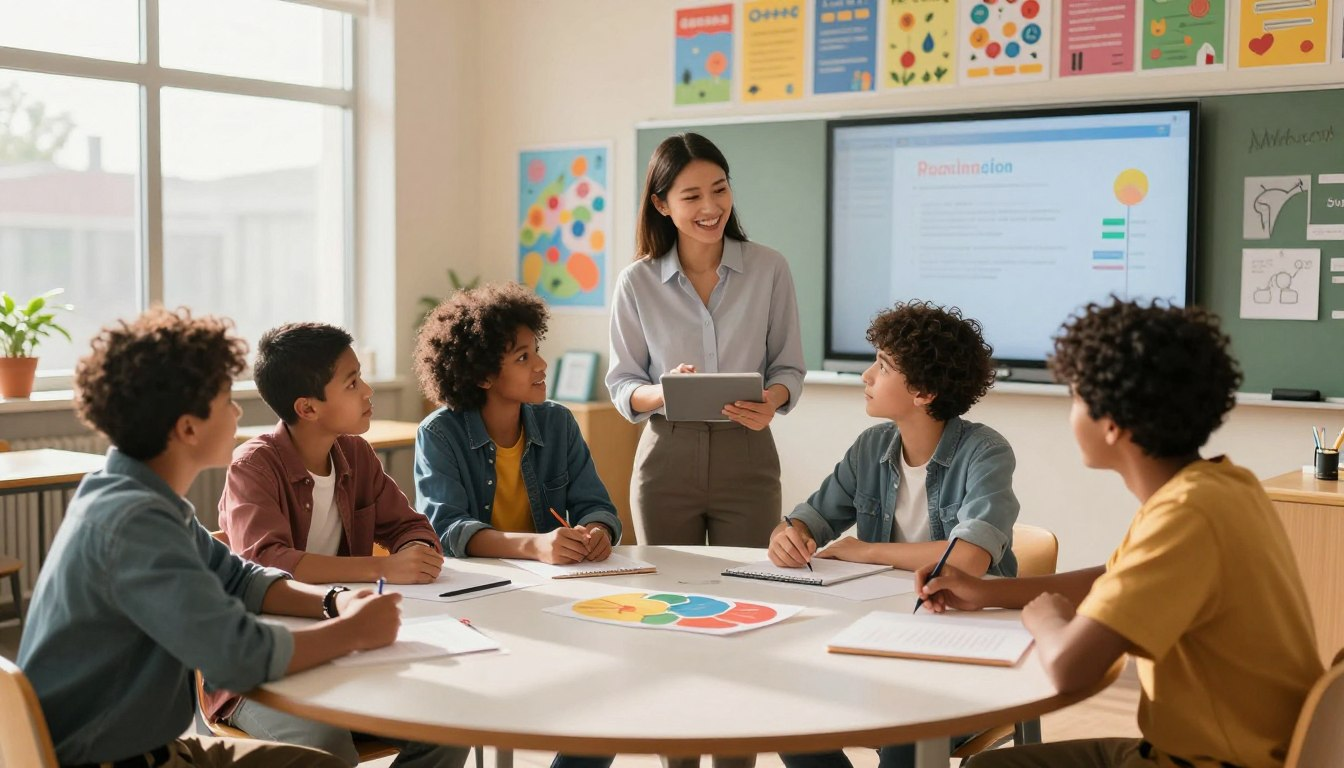
The best classroom layout focuses on clear sightlines and close proximity. I set up desks in pods or U-shapes so students face each other. This makes eye contact and discussions between peers feel natural.
Using flexible classroom organization without creating distractions
Good classroom organization means clear paths and zones. I keep busy areas, like the pencil sharpener, away from quiet spots. This keeps the floor clear and the focus on learning.
Building a welcoming classroom environment with purposeful decoration
A welcoming classroom environment should be inviting but not too much. I don’t cover every wall with classroom decoration. Instead, I display student work and important charts that support learning goals.
Choosing classroom resources that support different learning needs
I pick classroom resources to meet every student’s needs. This includes different seating, like standing desks or cushions, for various physical needs. Making sure everyone feels included is essential for participation.
Classroom Management Strategies for More Interactive Lessons
Turning a chaotic classroom into a place of teamwork starts with clear rules. When students know what’s expected, they feel safe and ready to participate. Effective classroom management is about creating a stable space for learning to flourish.
Setting clear expectations before collaborative classroom activities
Before starting group work, I set clear goals. I explain what success means and list expected behaviors. This helps students stay focused and avoid confusion.
I use visual aids to show these expectations on the board. Keeping the rules visible means I don’t have to remind students as much. This lets me guide the class while students work independently.
Using transitions, roles, and timing to maintain momentum
Keeping the lesson moving is key. I assign roles like timekeeper or recorder to keep everyone on track. This prevents boredom and keeps students engaged.
Quick and clear transitions keep the lesson lively. I use a signal, like a chime, to move the class along. Managing time well helps us meet our goals without feeling rushed.
Encouraging quieter students to participate without pressure
Not all students are comfortable speaking up. I use “think-pair-share” to give them a chance to share ideas safely. This builds their confidence.
- Use small group rotations to keep the focus intimate.
- Provide written options for students who prefer to share ideas on paper.
- Offer “wait time” after asking a question to allow for thoughtful reflection.
Responding to disruption while preserving a positive classroom culture
Dealing with disruptions is part of teaching. When I address a behavior issue, I do it privately and calmly. My goal is to correct the behavior while maintaining a positive connection with the student.
I focus on getting the student back on task, not on the mistake. Keeping the tone supportive helps the class stay engaged in their classroom activities. This approach keeps the classroom culture positive and encourages students to take risks.
Classroom Technology, Virtual Classrooms, and Online Learning
I think the best classrooms use tech to help students understand better, not just to add cool gadgets. Before trying new tools, I check if they really help with the lesson goals. Or if they just make things more complicated.
Selecting classroom technology that strengthens the lesson objective
It’s easy to get caught up in the newest apps or gadgets. But classroom technology should always support the lesson, not just add to the day’s tasks. I start with the learning goal and then find a tool that helps students achieve it.
For teamwork, pick a platform that lets everyone edit together. For thinking alone, a simple digital journal works better than a complex game.
Combining digital tools with hands-on and face-to-face activities
The best learning mixes digital tools with real-world activities. I use digital simulations to introduce ideas, then we do hands-on experiments or group talks.
This mix keeps students interested and avoids screen fatigue. It makes sure every student can connect with the material in their own way.
Adapting interactive classroom practices for a virtual classroom
Switching to a virtual classroom changes how we get everyone involved. I use breakout rooms and polls to keep the energy up, just like in a real classroom.
Clear instructions and visual cues are key. When students know what to do, they feel more at ease in an online classroom.
Protecting access, privacy, and focus in an online classroom
Keeping students safe and focused is my main goal in an online classroom. I make sure all digital tools are secure and protect student privacy.
To keep focus, I limit tabs and tell students to avoid distractions. This makes a safe space for learning, where the focus is on learning, not distractions.
| Feature | Physical Classroom | Virtual Classroom |
|---|---|---|
| Primary Interaction | Face-to-face | Digital interface |
| Engagement Tool | Hands-on materials | Interactive software |
| Privacy Control | Physical supervision | Digital security settings |
| Focus Method | Layout design | Task management |
What Educators Can Apply Now and What to Watch Next
Improving teaching is best done in small steps, not big changes. You don’t need to change everything to see better results. By adding specific strategies, you can make learning more exciting for students right away.
Practical classroom 15x ideas for the next lesson
Start with focused 15-minute bursts of teamwork. Put students in groups of three to tackle a problem or read a short text. This keeps everyone alert and avoids the tired feeling from long lectures.
Try changing roles every 15 minutes to keep everyone on track. When students have a clear job, like timekeeper or presenter, they stay focused. These best classroom practices boost energy without needing fancy tech or spending a lot.
How schools can evaluate engagement instead of novelty
It’s easy to get caught up in new trends, but focus on what really works. Schools should judge success by participation quality, not just how new something is. If a method doesn’t improve understanding, it’s not worth it.
| Metric | Traditional Approach | 15x-Inspired Approach |
|---|---|---|
| Student Focus | Passive listening | Active collaboration |
| Assessment | End-of-unit tests | Real-time feedback |
| Inclusion | Teacher-led | Peer-supported |
Reactions from teachers, families, and education leaders
Teachers say these changes make classrooms better. Families see kids more confident in group work. School leaders see how classroom 15x fits with today’s learning standards.
Questions that future classroom news should answer
As we keep improving, we need to think about lasting effects. Will these best classroom practices work for older students? How can we make sure they work for all students? I’m eager to see answers to these questions in future studies.
You May Also Raed: Stealthgram
Conclusion
Meaningful student growth starts with small, intentional shifts in your daily routine. Start by picking one strategy from the classroom 15x framework for your next lesson. See how your students react and adjust your methods based on their feedback.
True progress comes from evidence, not trends. Focus on making things accessible and useful. The best classroom practices meet the learner’s needs while keeping academic goals in sight.
Success in modern education needs thoughtful design and clear management. Create a powerful learning environment by mixing purposeful activities with responsible tech use. This helps every student feel ready to participate.
Your hard work in refining these methods will have a lasting impact on your students. Begin your journey with classroom 15x today by making one small change. I’m excited to see how these changes will deepen engagement in your school community.
FAQ
What exactly is classroom 15x and how does it impact my daily teaching?
Classroom 15x is a trend that focuses on active learning. It’s not just a tool, but a way to make learning memorable. It means moving from lecturing to a dynamic setup where students lead the lesson.
How can I redesign my classroom layout to better support active learning?
I focus on making my classroom flexible. I’ve moved desks into pods or U-shapes for better discussion. This layout helps me switch between work and group activities smoothly.
What are the best classroom practices for managing a high-energy, interactive classroom?
I use strong classroom management to keep things organized. I set clear expectations and use tools like ClassDojo and Google Classroom. This keeps the classroom focused and productive.
Can I implement classroom 15x principles in a virtual classroom or online classroom?
Yes, you can engage students online. I use Zoom for discussions and Nearpod for polls. The goal is to get students actively involved, not just watching.
How does classroom organization affect student behavior and focus?
A clean room helps students stay focused. I organize with labeled bins and zones for tasks. This makes students feel in control and safe to learn deeply.
Is classroom decoration just about aesthetics, or does it serve a deeper purpose?
Decoration should be functional. I use anchor charts and student work to decorate. This makes the classroom feel like it belongs to the students and supports our learning goals.
What classroom technology do you recommend for boosting engagement right now?
I recommend Apple Education tools and Canva for Education. They let students create visual projects. The goal is to enhance learning, not replace it, making it accessible to all.