
How Long Is 50 Months? The Simple Answer in Years, Weeks and Days
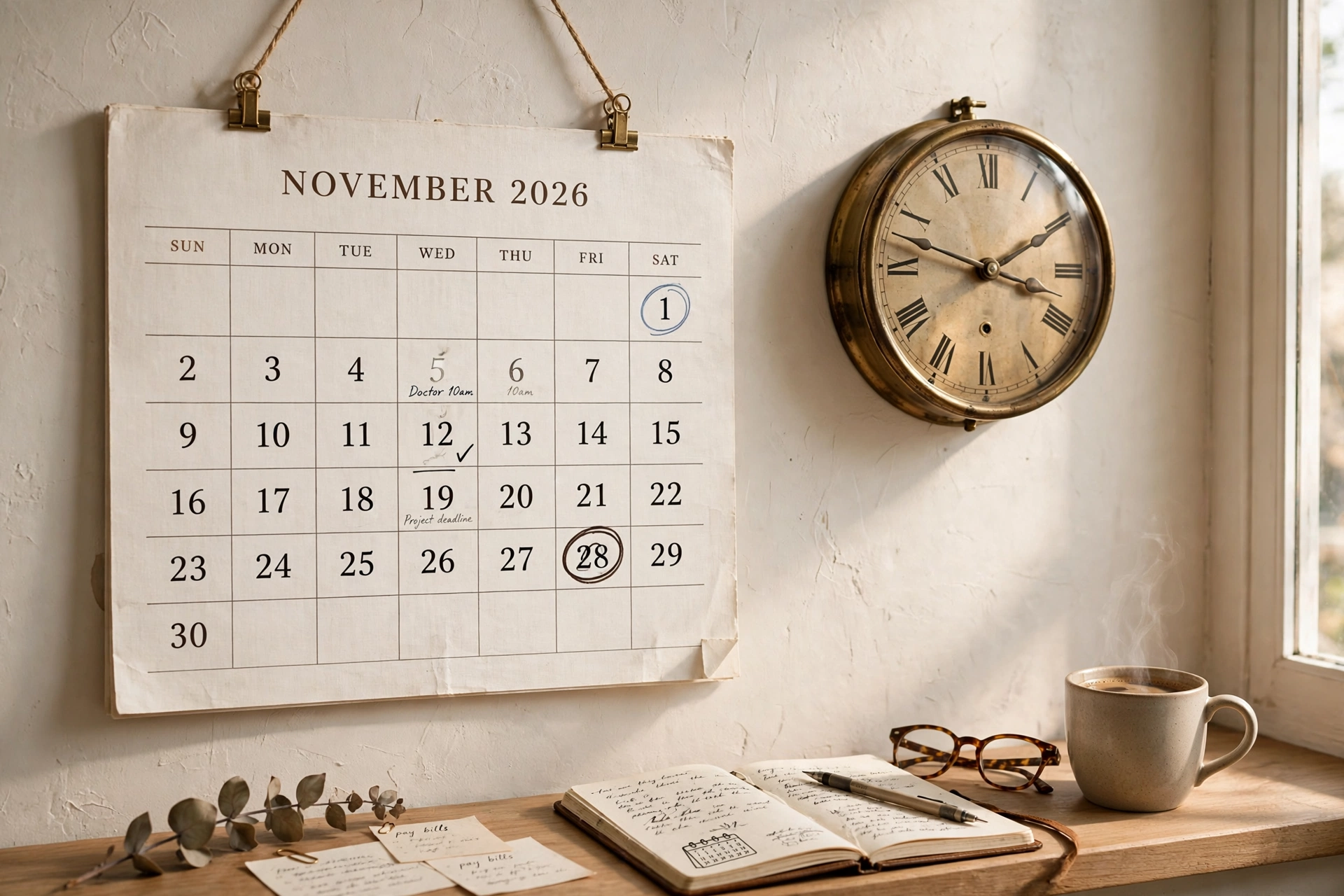
So, how long is 50 months? Fifty months is 4 years and 2 months, which works out to about 217 weeks and roughly 1,522 days. The exact number of days depends on which months are counted, because months are not all the same length, and whether a leap year falls inside the period. If you count 50 months from 27 November 2026, you land on 27 January 2031. This guide gives you the precise conversions, explains why the day count varies, shows you how to work out any 50-month date yourself, and puts the length into everyday terms so that you can picture it.
How Long Is 50 Months in Years?
Fifty months converts to 4 years and 2 months, because there are 12 months in a year and 50 divided by 12 is 4 with 2 left over. That is the figure most people need, whether they are working out a loan term, a prison sentence, a work contract or a child’s age. Four years and two months is a substantial stretch of time: long enough to complete a university degree and start a first job, to pay off a typical car finance agreement, or to see a baby grow into a child starting school. It is also the length of a standard United States presidential term plus two months, which gives a useful sense of scale. When a document says 50 months rather than 4 years, it is usually because the exact month count matters, for example in a contract where payments are monthly, or in a legal setting where the sentence is measured in months. For everyday conversation, saying 4 years and 2 months is clearer and means exactly the same thing.
How Many Weeks Are in 50 Months?
Fifty months is about 217 weeks, and the small uncertainty comes from the fact that months and weeks do not divide neatly. If you are asking how long is 50 months in weeks, the answer is about 217, and that figure is accurate enough for planning. A month averages 4.345 weeks, because the average month is 30.44 days long and there are 7 days in a week, so 50 months multiplied by 4.345 gives 217.25 weeks. If you count calendar weeks from a specific start date, the total can be 217 or 218 depending on which day of the week you start and whether the period includes a leap day. For planning purposes, 217 weeks is the figure to use, and it helps to picture the length: 217 Monday mornings, 217 weekly shops, or 217 episodes of a weekly television show. People planning a long project often find weeks easier to work with than months, because a week is a fixed unit while a month varies between 28 and 31 days. If you need an exact week count for a contract or a schedule, use an online date calculator and enter your specific start and end dates rather than relying on the average.
How Many Days Are in 50 Months?
Fifty months is about 1,522 days, but the exact total depends on which 50 months you count. Asked another way, how long is 50 months in days? About 1,522, and the average month is 30.44 days, so 50 months multiplied by 30.44 gives 1,522 days. In practice the total falls between 1,520 and 1,523 days, because the months involved may include one or two Februarys and possibly a leap day on 29 February. A 50-month period that includes one leap day has 1,523 days, while one with no leap day has 1,522 days, and the difference of a single day only matters when an exact deadline is involved. To get the precise number for your own dates, use a date duration calculator such as the one at timeanddate.com, enter the start date and the date 50 months later, and it will give you the exact day count including any leap days. For most purposes, saying about 1,522 days or about four years and two months is accurate enough.
How Many Hours and Minutes Are in 50 Months?
Fifty months is about 36,528 hours, which is about 2,191,680 minutes, based on the average of 1,522 days. Those numbers are useful when you want to grasp just how long the period really is, because hours make the scale feel concrete in a way that years do not. In 36,528 hours you could watch roughly 18,000 films, read about 1,500 novels at a steady pace, or sleep for about 12,000 hours and still have 24,000 waking hours left. If you work a standard 40-hour week, 50 months contains roughly 8,680 working hours, which is close to four and a half years of full-time work. The exact hour count varies by a day or two depending on leap days and daylight saving changes, so treat these figures as close estimates rather than exact counts. They are best used to give a sense of scale, not to set a deadline.
What Date Is 50 Months From Today?
Counting 50 months from a date is simple once you know the rule: add 4 years to the year, then add 2 months, keeping the same day of the month. From 27 November 2026, adding 4 years gives 27 November 2030, and adding 2 months gives 27 January 2031. That is the answer if you are working out how long is 50 months from today, and the same rule works for any start date you choose. If the starting day does not exist in the target month, for example counting 50 months from 31 January, the result usually falls on the last day of the target month instead. Most calendar apps and online calculators handle this automatically, so the easiest method is to open a date calculator, enter today’s date, and add 50 months. The same rule works backwards: 50 months before 27 November 2026 was 27 September 2022. Knowing how to count months accurately matters for contracts, tenancies, loan terms and visa dates, where a single day can change an outcome, so always confirm an important date with a calculator rather than doing it in your head.

What Does 50 Months Feel Like in Real Life?
Fifty months feels long when you are waiting for it to pass and short when you look back on it, and that contradiction is one of the most familiar experiences of time. Four years and two months is enough for a child to go from first steps to starting school, for a new skill to become second nature, or for a career to change direction completely. It is also short enough that the world at the end of it still feels recognisable: the same friends, the same home town, the same favourite places, just a little further along. People often describe a 50-month period in milestones rather than in numbers, such as two house moves, one degree, a wedding and a first child, because milestones are how memory actually stores time. If you are counting down 50 months to something you want, breaking it into smaller pieces helps: ten blocks of five months, or fifty monthly check-ins, each with its own small goal. If you are looking back over 50 months, the distance feels shorter than the number suggests, which is why photographs and journals matter so much.
How Long Is 50 Months Compared With Other Common Lengths?
Comparing 50 months with familiar periods makes the length easier to picture. A standard university degree in the United Kingdom takes three years, so 50 months is a full degree plus another fourteen months, enough time to finish studying and spend more than a year in a first job. A United States presidential term is four years, so 50 months is a whole presidency plus two extra months, which is a useful scale for thinking about how much can change in that time. A typical mortgage runs for 25 or 30 years, so 50 months is about a sixth of a 25-year mortgage, roughly the period in which a homeowner builds their first real equity. A child starting school at four and a half will be nearly nine after 50 months, which covers most of primary school. These comparisons work because they attach the number to experiences people already understand, and they show that 50 months is long enough to complete something substantial while still being a single chapter of a life rather than a whole era.
Where Does 50 Months Come Up in Everyday Life?
Fifty months appears in more places than you might expect, and recognising it helps you read documents and plans more confidently. Car finance and personal loans are often offered over 48 or 60 months, so a 50-month term sits between the two most common options and is worth comparing carefully. Mobile phone contracts and some tenancy agreements can run for similar lengths, and employment contracts sometimes use months rather than years for notice periods and probation. In law, sentences and waiting periods are frequently measured in months, so a 50-month figure may appear in court documents or in immigration and visa rules. Parents meet it when tracking a child’s age in months, because health visitors and paediatric guidance often describe development in months up to age five, and 50 months is a four-year-old plus two months. Mortgages, savings plans and pensions also use months for their terms, so a 50-month figure can appear in a fixed-rate deal or a savings bond. Whatever the context, converting 50 months to 4 years and 2 months is the first step to understanding what it means for you.
Conclusion
Fifty months is 4 years and 2 months, about 217 weeks, and roughly 1,522 days, and those three figures cover almost every situation in which the question comes up. The years answer is exact, the weeks and days answers are close estimates that shift by a day or two depending on leap years and the specific months involved, and an online date calculator will give you the precise figure for any start date. Whether you are working out a loan term, counting down to a milestone, or simply curious, 4 years and 2 months is the answer to remember, and the next time someone asks how long is 50 months, you can give it to them in years, weeks and days.
Is 50 months the same as 4 years?
No, 50 months is not the same as 4 years, because 4 years is 48 months and 50 months is 2 months longer. If you are wondering how long is 50 months compared with 4 years, the answer is 4 years and 2 months. People often round it down to 4 years in conversation, but for contracts, deadlines and legal matters the extra two months matter, so use the exact figure of 4 years and 2 months in any document that counts.
How many weeks is 50 months exactly?
There is no single exact number of weeks in 50 months, because weeks and months do not divide evenly. The average is about 217.25 weeks, so the practical answer is 217 weeks. If you count from a specific start date, the total can be 217 or 218 calendar weeks depending on the day of the week and any leap days, so use a date calculator for an exact count from your own dates rather than relying on the average alone.
How do I calculate 50 months from a date?
Add 4 years to the year, then add 2 months, keeping the same day of the month. For example, 50 months from 27 November 2026 is 27 January 2031. If the starting day does not exist in the target month, use the last day of that month. An online date duration calculator will do this automatically and will also tell you the exact number of days, including any leap days, so you do not have to count them by hand.
Is 50 months more than 4 years?
Yes, 50 months is more than 4 years by exactly 2 months, because 4 years contains 48 months. Fifty months is 4 years and 2 months, or about 1,522 days. The difference is small in everyday speech but important in contracts, where a two-month difference can change a payment schedule, a notice period or a deadline, so always use the full figure of 4 years and 2 months when the exact length matters, and check the wording before you sign.