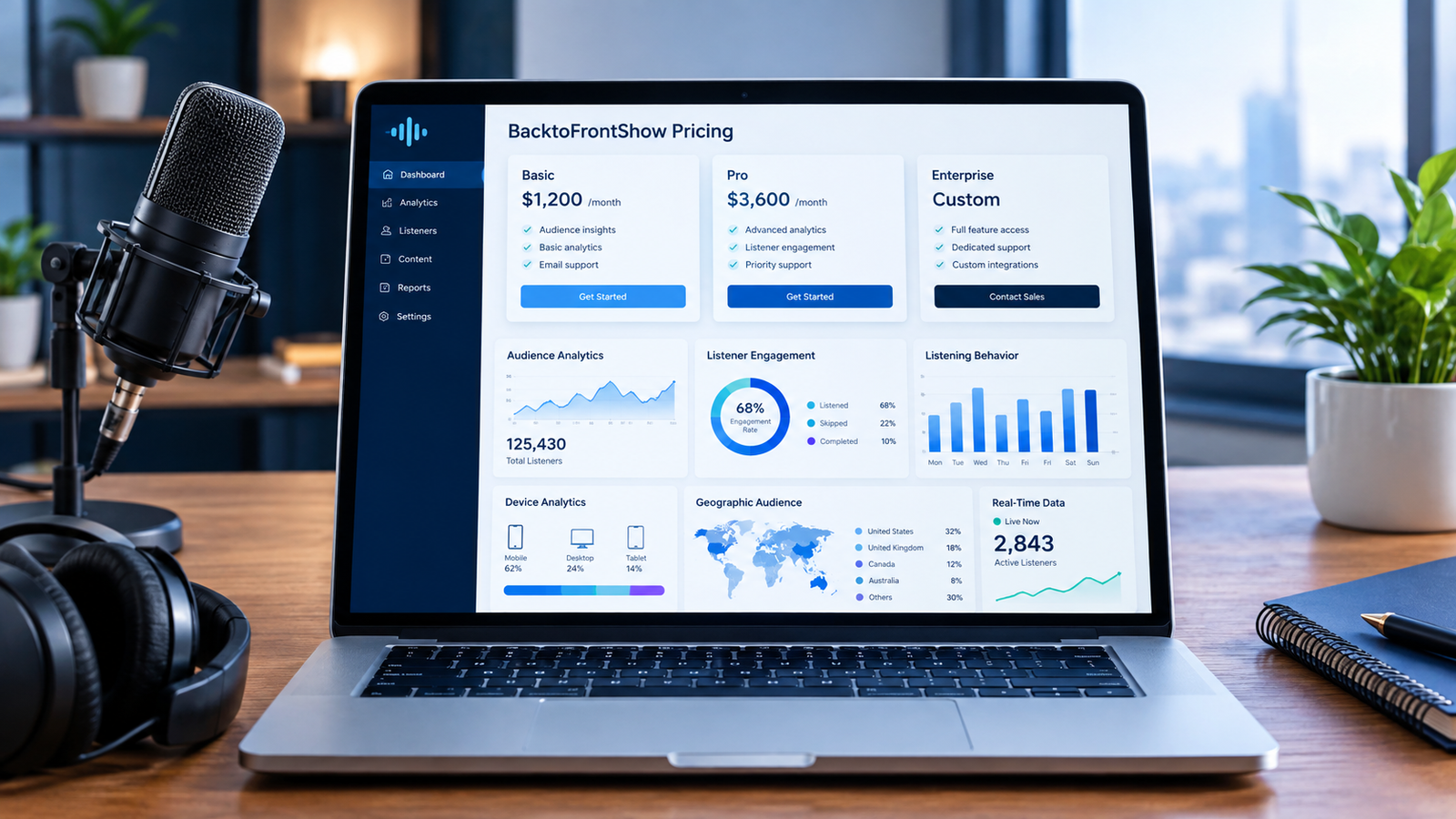


In today’s fast-paced digital world, knowing your online influence is key. Businesses often struggle to understand their digital presence. That’s why I decided to explore the bouncemediagroupcom social stat metrics closely.
By breaking down these complex numbers, I aim to give you clear, useful insights. These insights are what truly matter.
The United States market is very competitive. To stand out, you need to pay attention to details. I think measuring brand visibility should be easy, not a hassle.
My goal is to make these data points easier to understand. This way, you can focus on what you’re good at.
Looking at the bouncemediagroupcom social stat helps us see how brands grow online. I hope this analysis helps you feel more confident and comfortable in the digital world. Let’s look at the numbers and see what they tell us about current trends.
Current Landscape of bouncemediagroupcom social stat
Today, I want to talk about how digital engagement is changing for brands. The digital world is moving fast, and over 70% of US businesses focus on data to stay ahead. Looking at the bouncemediagroupcom social stat helps us see how these changes affect how people see a brand.

Recent shifts in digital engagement
People now want real and personal content. They don’t just read; they join in the online talk. This means brands must be quick to keep a good image.
Looking at how people use platforms, it’s clear that engagement quality is more important than how much content is out there. If brands don’t keep up, they might lose touch with their audience. Understanding these trends is key to the bouncemediagroupcom social stat.
The importance of tracking social media analytics in the US market
In the fast-paced American digital world, keeping an eye on things is essential. Guesswork won’t cut it. Using social media analytics helps make smart choices that grow your business.
Tracking these numbers shows what works and what doesn’t. Data-driven insights are the base of every successful campaign. Knowing social media analytics well is the best way to lead in your field.
I always say that social media analytics should be central to your plan. Without it, you’re lost in a crowded online world. Taking charge of your data is the key to future success.
Analyzing Website Traffic and Social Referral Patterns
Many marketing strategies fail at the link between social posts and website visits. To understand your digital footprint, you need to master website traffic analysis. This shows how casual viewers become active visitors on your site.

How social media channels drive traffic to the main domain
Social media is a powerful tool for your brand. Tracking referrals helps see when users click links. Consistency in call-to-action placement is key for quality traffic.
Tracking referrals shows which content types work best. By monitoring these patterns, you can improve your strategy. This data-driven approach is vital for website traffic analysis.
Identifying top-performing platforms for audience acquisition
Not all social platforms are equal for your business. It’s important to evaluate each platform’s return on investment. Focus on platforms that bring high-intent visitors.
- Platform Engagement: Measure how long visitors stay after clicking a link.
- Conversion Rate: Track how many social referrals complete a desired action.
- Cost Efficiency: Compare the time spent creating content against the traffic generated.
Comparing organic versus paid social reach
In the US market, organic and paid reach are key. Organic reach uses algorithm-friendly content for natural sharing. It builds a loyal audience over time.
Paid social reach offers quick visibility and targeted leads. A balanced strategy works best for website traffic analysis. Combining both methods maximizes reach and visitor flow.
Deep Dive into Social Engagement Metrics
Social engagement metrics show us the heart of our community. They tell us how people really feel about our brand. It’s important to track these signals to keep our digital presence strong.

Evaluating audience interaction rates and sentiment
Interaction rates are more than just clicks. I look at the depth of comments and the tone of mentions to understand brand sentiment. Thoughtful responses show a strong connection to our mission.
By categorizing these interactions, we can see where our brand stands in the market. Use the following table to track your progress:
| Metric Type | Focus Area | Goal |
|---|---|---|
| Sentiment | Customer Tone | Positive Growth |
| Interaction | Comment Depth | Active Dialogue |
| Retention | Repeat Users | Brand Loyalty |
The role of content quality in boosting shareability
High-quality content is a powerful catalyst for viral growth. When you provide genuine value, your audience shares your posts. This organic reach is key for any social strategy.
To boost your shareability, focus on these core elements:
- Educational value: Teach your audience something new.
- Emotional resonance: Create content that makes people feel inspired.
- Visual appeal: Use high-quality imagery to stop the scroll.
Strategies for improving click-through rates on social posts
To improve click-through rates, create a clear path for the user. I make sure my posts have a compelling call to action. Without direction, even great content may not drive traffic.
Try these simple tactics to see better results today:
- Keep your headlines short and punchy.
- Use strong verbs that encourage immediate action.
- Test different button placements to see what works best for your audience.
By focusing on these social engagement metrics, you can refine your approach. This builds a more loyal following. Consistency is key to turning casual observers into dedicated brand advocates.
Leveraging Digital Marketing Insights for Growth
My strategy for digital growth connects social interactions with long-term success. It’s about moving past just counting likes and shares. By using actionable data, you can build a strong base for your business.
Translating social data into actionable business intelligence
Social data can feel overwhelming, but it’s key to understanding your customers. I suggest filtering it to find patterns in user behavior. These trends offer valuable insights for improving your products and customer service.
This process is key to making a strategy that speaks to your audience. Using these insights, you make informed decisions, not guesses. This is what sets successful brands apart.
Optimizing SEO optimization tactics based on social signals
Many miss the link between social media and search engine performance. I believe adding social signals to your SEO tactics can greatly improve visibility. When your content gets shared, search engines see it as authoritative and relevant.
Create content that people want to share. This encourages backlinks and mentions, boosting your search rankings. By tailoring your SEO to what your audience likes, you enhance your online presence.
Aligning content calendars with peak engagement hours
Timing is critical in the competitive US market. I’ve seen that posting when your audience is most active can increase visibility by up to 40%. This ensures your message hits your audience when they’re most receptive.
- Analyze historical data to find your specific peak times.
- Schedule high-value posts to coincide with these windows.
- Monitor the results to refine your timing strategy continuously.
Essential Tools for Online Performance Tracking
Effective online performance tracking is key to a successful marketing strategy. Without the right tools, you’re lost in the digital world. I aim to guide you to systems that turn data into useful insights.
Reviewing the best social media reporting tools for agencies
Managing many client accounts requires robust social media tools. These tools should work well with US platforms like Meta, LinkedIn, and X. They help automate reports, saving you time.
Look for tools that offer white-label options to keep your brand professional. Top tools give real-time updates and compare channels. This helps you spot trends early. Choose tools with strong API support for accurate data.
Setting up a website analytics dashboard
Creating a website analytics dashboard helps combine data into one place. Start by picking your main KPIs before connecting data sources. A clean layout helps focus on what matters for growth.
Integrate data from social channels, email, and search into one view. This approach prevents data silos and gives a clearer picture of the customer journey. It makes tracking social impact on website conversions easier.
Interpreting complex data sets for better decision-making
After setting up your dashboard, interpreting data is key. Look for patterns, not just single-day spikes. Data-backed decisions are more reliable than guesses for growing online.
| Tool Name | Primary Focus | Best For | Integration Level |
|---|---|---|---|
| AgencyAnalytics | Reporting | Marketing Agencies | High |
| Looker Studio | Visualization | Custom Dashboards | Very High |
| Sprout Social | Social Media | Enterprise Teams | High |
| Google Analytics 4 | Web Traffic | General Tracking | Universal |
Numbers only tell part of the story. Combine them with qualitative feedback to understand trends. Regularly reviewing your performance keeps you ahead and guides smarter campaign investments.
You May Also Raed: Stealthgram
Conclusion
Keeping an eye on social performance is key for any brand wanting to stay ahead in the US. I think tracking data helps turn numbers into a clear plan for success.
You now know how to improve your digital strategy with the insights and tools we’ve shared. I urge you to use these analytical practices every day. This will help your brand grow and succeed in the fast-changing digital world.
Making decisions based on data helps you handle today’s market changes. I invite you to share your experiences with these metrics on your favorite social platforms. Your feedback helps me know which digital marketing trends are most important to you.
Begin making these changes today to see your online presence improve. I’m excited to see your brand soar to new heights with smarter engagement and better data management.