
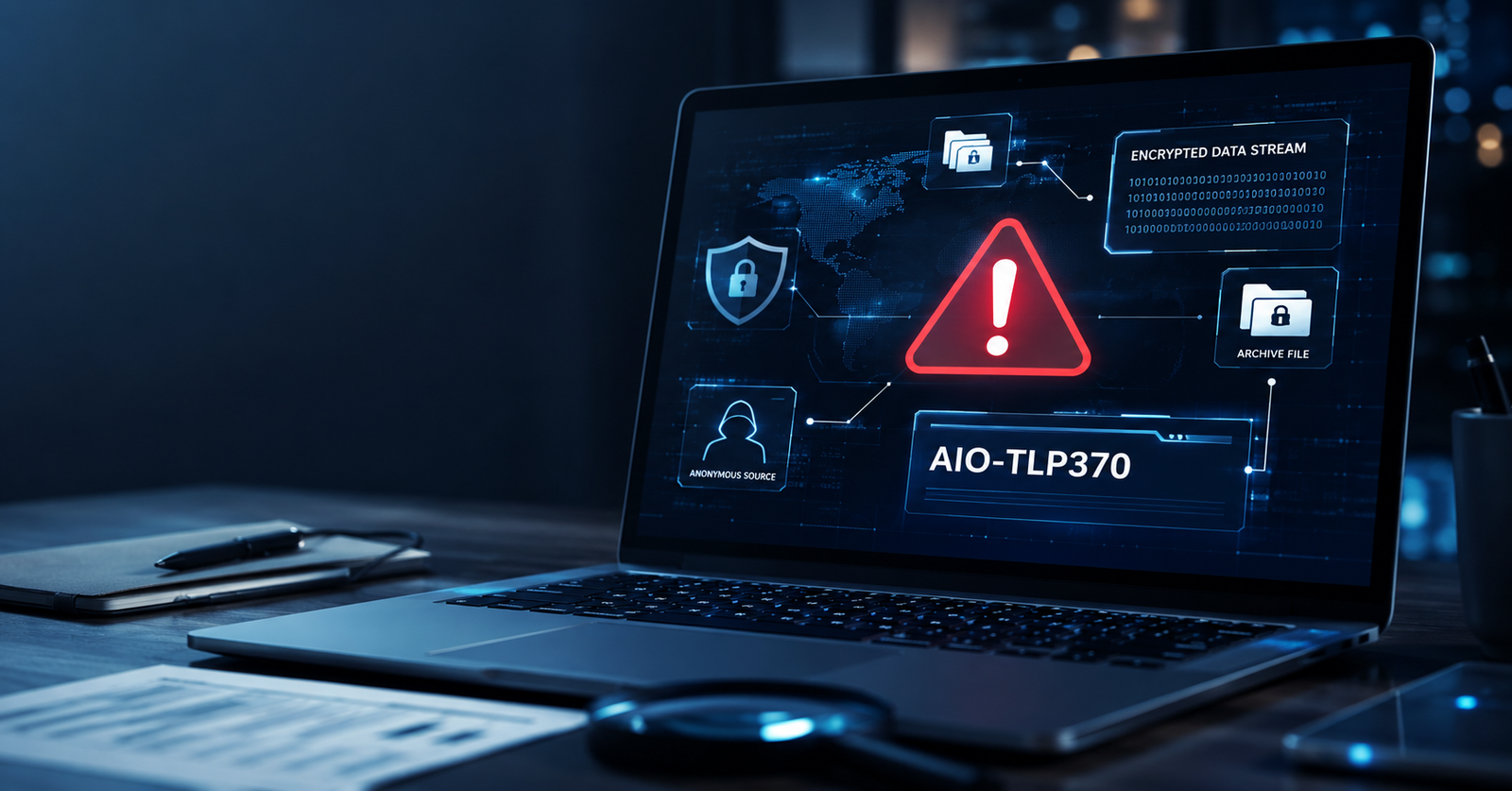
The phrase “thejavasea.me leaks aio-tlp370” has attracted attention across search engines and online discussions, but figuring out what it actually means is not as straightforward as the keyword suggests. At first glance, it sounds like the name of a confirmed cybersecurity breach, a software package, or a major database leak. However, publicly available information does not provide enough reliable evidence to confidently describe AIO-TLP370 as any one of those things.
Several indexed pages reference TheJavaSea.me Leaks AIO-TLP370, while other discussions interpret AIO-TLP370 as a label associated with an online post, archive, or bundled collection. The uncertainty is important because leak-related keywords are often repeated from one website to another without independent verification.
This guide takes a practical approach. Instead of directing readers toward leaked material, it explains what the phrase appears to refer to, why it has generated interest, what can and cannot be verified, and what ordinary internet users should do to protect their privacy and devices.
What Is TheJavaSea.me Leaks AIO-TLP370?
The phrase combines several elements that can make it appear more technical than it really is. “TheJavaSea.me” is the domain name being referenced, “leaks” indicates the type of content or discussion associated with the search term, and “AIO-TLP370” appears to function as a specific identifier or label. Publicly indexed material has specifically listed a page titled “TheJavaSea.me Leaks AIO-TLP370,” showing that the phrase is being used online as a recognizable topic.
The difficult part is determining exactly what AIO-TLP370 represents. Some websites describe it as a bundled collection or alleged leak package, while others speculate about the meaning of the individual parts of the name. There is no strong independent evidence establishing one definitive interpretation. That makes it better to describe AIO-TLP370 as an unverified online label rather than confidently calling it a confirmed breach or official software product.
This distinction matters for anyone researching the subject. Search popularity does not prove authenticity. A keyword can become widespread because websites copy one another, social media users repeat an interesting claim, or people search for an obscure phrase after seeing it somewhere else. In the case of AIO-TLP370, separating documented information from speculation is therefore one of the most important parts of understanding the topic.
Why Is AIO-TLP370 Getting Attention?
Mystery is one of the biggest reasons unusual leak-related keywords attract attention. A phrase containing a website name, the word “leaks,” and an unfamiliar code naturally makes people wonder whether a significant event has happened. Searchers may want to know whether personal information was exposed, whether a particular database was compromised, or whether the term refers to downloadable material.
Another reason is repetition. Once several websites publish pages targeting the same keyword, search engines can begin showing many similar-looking results. Readers may then assume that dozens of independent sources have confirmed the same story. In reality, some articles may simply be rewriting earlier claims without adding new evidence. This is a common problem with obscure cybersecurity topics.
Publicly indexed articles about AIO-TLP370 demonstrate this uncertainty. Some describe it as an alleged leak package, while others explicitly say that its exact meaning has not been officially established. One recent guide, for example, cautions against treating AIO-TLP370 as a confirmed cybersecurity incident without stronger evidence.
What Does AIO-TLP370 Actually Mean?
The “AIO” portion may reasonably be interpreted as “all-in-one,” because that abbreviation is commonly used online to describe collections containing multiple components. However, that does not prove that the AIO in this particular phrase has that exact meaning. It could simply be part of an uploader’s naming convention or an internal identifier.
The “TLP370” portion is even less certain. It may be a batch number, archive identifier, post reference, version-like label, or another naming convention. Without reliable documentation from the original source or an independent security investigation, assigning a precise technical meaning to the number would be speculation.
It is also important not to confuse this phrase with the legitimate Traffic Light Protocol (TLP) used in cybersecurity information sharing. The presence of the letters “TLP” in an unrelated label does not establish a connection to that framework. One publicly available explanation specifically warns that AIO-TLP370 should not automatically be interpreted as an official TLP classification.
Is TheJavaSea.me AIO-TLP370 a Confirmed Data Breach?
At present, the safest answer is that there is not enough reliable public evidence to call AIO-TLP370 a confirmed large-scale data breach. A genuine breach investigation normally provides identifiable details, such as the affected organisation, approximate incident date, categories of exposed information, evidence of compromise, or an official statement.
Those details are not clearly established by the public sources found for this keyword. Instead, the available search results mainly consist of articles and pages discussing the phrase itself. That is very different from an independently confirmed security incident.
This does not mean every claim surrounding the term is automatically false. It means that readers should distinguish between an online claim and verified evidence. If an article states that millions of accounts were exposed, for example, readers should look for a named affected organisation, credible security reporting, official notifications, or other independent evidence before accepting the claim.
That approach is especially useful with unfamiliar leak terminology. Treating an unverified label as established fact can spread misinformation and may also create unnecessary fear for people who simply encounter the keyword in search results.
What Risks Are Associated With Leak-Related Websites?
Even when the underlying claim is uncertain, visiting unknown leak-oriented pages can create genuine cybersecurity risks. The danger does not necessarily come from the keyword itself. It can come from advertisements, redirects, malicious downloads, fake login pages, browser notifications, or executable files associated with untrusted websites.
One major risk is phishing. A page may pretend to provide access to information while actually attempting to collect an email address, password, payment information, or other personal details. The more sensational the subject appears, the easier it can be for scammers to use curiosity against visitors.
Malware is another concern. Unknown archives and executable files can contain malicious software designed to steal credentials, monitor activity, damage files, or establish unauthorized access. This is why security-focused sources consistently recommend caution with files obtained from untrusted locations. A suspicious download is not worth risking an entire computer or online identity.
Why You Should Not Download Alleged Leak Files
Downloading an alleged leak may appear harmless if someone is simply curious, but there are several problems with that approach. First, the contents may not match the description. An archive advertised as a particular dataset could contain something completely different, including malicious software.
There is also a privacy issue. Allegedly leaked material can contain information belonging to real people who never consented to its publication. Downloading, storing, or redistributing such material can potentially contribute to further harm. Depending on the jurisdiction and circumstances, accessing or distributing unauthorized material can also create legal problems.
A safer approach is to research the subject through reputable cybersecurity reporting rather than attempting to obtain the underlying files. This provides useful context without increasing the risk of malware infection, privacy violations, or unauthorized distribution.
How to Protect Yourself From Suspicious Leak Pages
The first step is simple: do not enter sensitive information into unfamiliar pages. If a website connected to a leak-related keyword suddenly asks for your email, password, phone number, payment details, or authentication code, stop and verify the destination before doing anything else.
Keep your operating system, browser, and security software updated. Security updates often address vulnerabilities that attackers can exploit. Using unique passwords and multi-factor authentication for important accounts also reduces the potential damage if one password is exposed elsewhere.
If you accidentally download a suspicious file, do not open or execute it. Run a security scan using trusted security software and consider changing important passwords from a clean device if you believe credentials may have been exposed. If the situation involves a workplace device or account, notify the appropriate IT or security team rather than attempting to investigate the suspicious file yourself.
How to Separate Real Leak Reports From Clickbait
A useful way to evaluate a leak claim is to ask who is making the claim and what evidence they provide. A credible report should identify the affected organisation or service and explain how the information was verified. Anonymous claims without supporting evidence deserve considerably more skepticism.
Look for independent reporting as well. If a supposedly massive breach affects a major company, there will often be multiple credible sources discussing the incident. An article that merely repeats another blog’s wording does not count as independent confirmation.
Be particularly cautious when a page uses dramatic language but provides no evidence. Claims such as “millions exposed” or “complete database leaked” can generate clicks, but numbers and descriptions should be supported by verifiable information. For AIO-TLP370 specifically, the available material is not sufficient to establish the precise contents or scale of any alleged leak.
What Should You Do If Your Information May Be Exposed?
If you believe your credentials could be involved in an online exposure, begin with the accounts that matter most. Change reused passwords and make every important account’s password unique. Enable multi-factor authentication wherever it is available.
Next, review account activity for unfamiliar logins, password-reset notifications, or other unusual behaviour. If your email account is affected, secure it first because email access can be used to reset passwords for many other services.
You should also be careful about follow-up scams. After a leak becomes widely discussed, criminals may send messages claiming to offer verification or protection. These messages can themselves be phishing attempts. Never provide authentication codes or passwords simply because someone claims that your account appeared in a leak.
Why Responsible Reporting Matters
Cybersecurity reporting has a difficult balance to maintain. Readers deserve accurate information about potential threats, but publishing direct links to stolen information can increase harm. Responsible coverage should explain the issue without helping people access unauthorized data.
For topics such as AIO-TLP370, this means clearly identifying uncertainty. Rather than turning an unverified claim into a dramatic headline, responsible writers should explain what is known, what remains unclear, and how readers can protect themselves.
That approach also makes an article more useful over time. Search trends change quickly, but practical cybersecurity guidance remains valuable. A reader who discovers this topic months later should still understand how to evaluate suspicious claims, avoid dangerous downloads, and protect their accounts.
Final Thoughts on thejavasea.me Leaks AIO-TLP370
The keyword “thejavasea.me leaks aio-tlp370” clearly has an online presence, and indexed pages specifically reference AIO-TLP370 as a topic. However, the available public evidence does not justify confidently describing it as a confirmed major data breach, official software product, or recognized cybersecurity incident.
The most sensible interpretation is to treat AIO-TLP370 as an unverified label associated with leak-related online content until stronger evidence becomes available. The exact meaning of the identifier remains uncertain, and readers should avoid turning speculation into fact.
Most importantly, curiosity should not override security. Avoid unknown downloads, do not enter credentials into suspicious pages, and do not redistribute potentially stolen or private information. If you are researching this topic, focus on verified cybersecurity reporting and practical safety advice. That gives you useful information without exposing your device, accounts, or other people to unnecessary risk.
Frequently Asked Questions
What is thejavasea.me leaks aio-tlp370?
It is a search phrase associated with online references to TheJavaSea.me and an identifier called AIO-TLP370. Public sources do not establish one definitive meaning for the identifier.
Is AIO-TLP370 a confirmed data breach?
There is not enough reliable public evidence to describe it as a confirmed large-scale data breach. Claims should be treated cautiously unless supported by independent evidence.
What does AIO mean in AIO-TLP370?
“AIO” commonly means “all-in-one” online, but its exact meaning in this particular identifier has not been officially confirmed.
Is AIO-TLP370 part of the official Traffic Light Protocol?
There is no reliable evidence establishing that connection. The letters “TLP” alone do not prove that a label belongs to the official cybersecurity framework.
Should I download files associated with AIO-TLP370?
It is safer not to download unknown leak files. They may contain malware, unauthorized private information, or misleading content.
What should I do if I already opened a suspicious page?
Close the page, avoid entering credentials, do not download unknown files, and run a security check if anything was downloaded. If you entered a password, change it from a trusted device and enable multi-factor authentication.
How can I verify a leak claim?
Look for independent cybersecurity reporting, an official statement from the affected organisation, technical evidence, and clearly documented details. Do not rely on repeated blog posts alone.
Is it safe to share alleged leaked information?
No. Alleged leaked information may contain private or copyrighted material. Sharing it can increase harm and may have legal consequences depending on the circumstances.
What is the safest way to research AIO-TLP370?
Use reputable cybersecurity sources and focus on verified information rather than attempting to access or download the alleged leaked material.
You May Also Raed: Stealthgram