

If you have recently searched for crackstube, you may have noticed something unusual: the results do not always describe the same thing. Some pages present Crackstube as an online publishing or information platform, while other results associate the name with unofficial streaming, downloads, or adult-oriented websites. That difference is important because a website name alone does not tell you whether a particular domain is trustworthy, legitimate, or even connected to the service you expected to find.
The simplest way to understand Crackstube is to treat the keyword as a name that can appear in different online contexts. Current search results show that some websites describe CracksTube.com as a multi-category publishing platform covering subjects such as technology, business, finance, education, and lifestyle. Other pages use the keyword more generally when discussing unofficial websites and online safety.
This guide takes a practical approach. Instead of assuming that every website using the name is identical, it looks at what the keyword can refer to, why search results are confusing, how to evaluate an unfamiliar website, and what users should consider before clicking links, downloading files, or sharing personal information.
What Is Crackstube?
Crackstube is best understood as an online keyword rather than automatically assuming it represents one universally recognised company or application. The name appears in different contexts across current search results, which means users should always check the exact domain before deciding what a particular website actually provides.
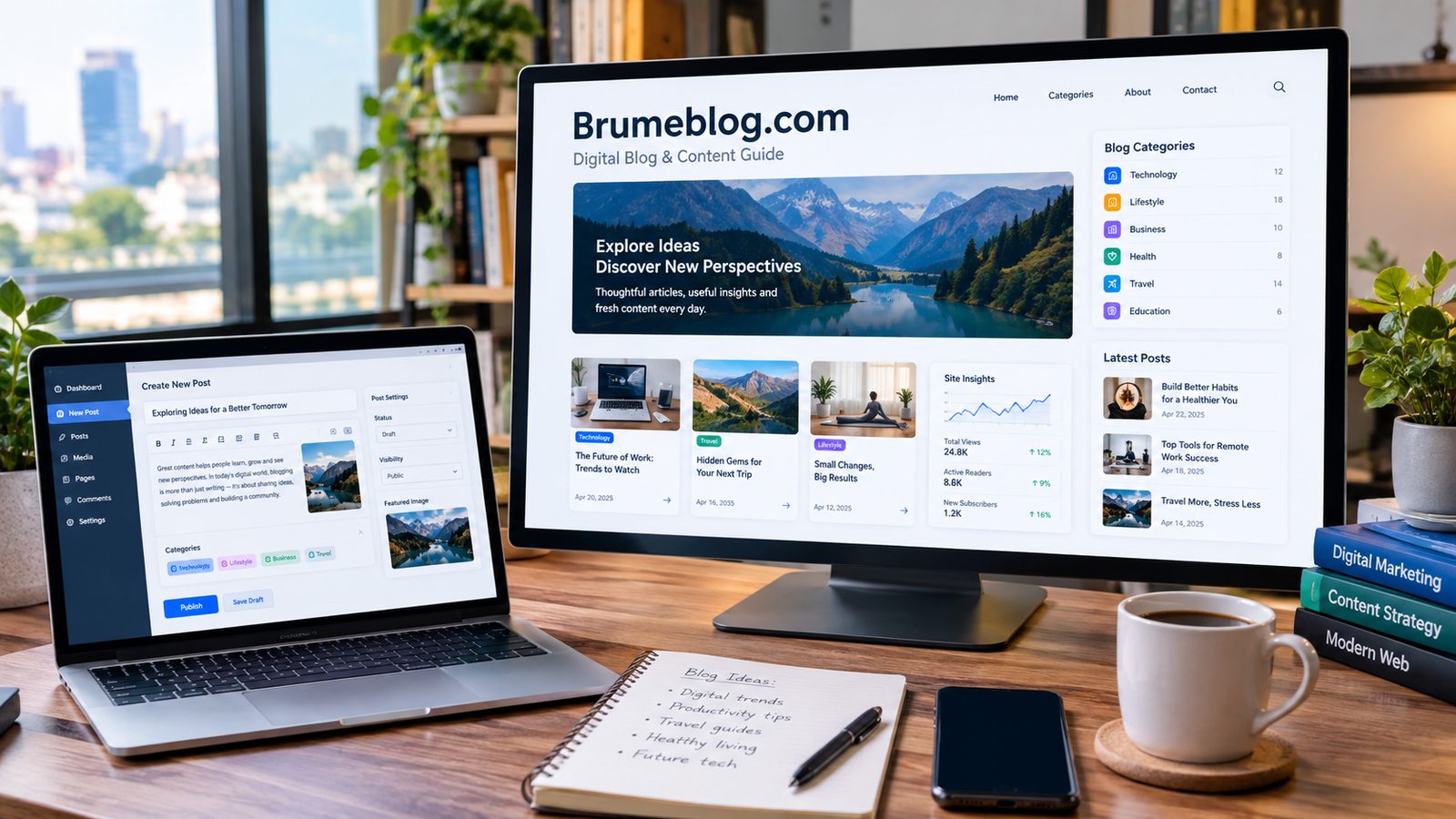
One current result describes CracksTube.com as a digital publishing platform rather than a software-download or streaming service. That description presents the website as a multi-topic publication containing informational articles and guides. The site reportedly covers several broad categories, making it closer in format to an online magazine than to a specialised application or entertainment service.
At the same time, other websites use the Crackstube keyword when discussing unrelated or unofficial platforms. Some of those pages mention risks involving pirated content, suspicious downloads, aggressive advertising, or unsafe redirects. Because these descriptions can refer to different websites, it would be inaccurate to assume that every result for Crackstube represents the same operator or service.
Why Is the Crackstube Name So Confusing?
Part of the confusion comes from the name itself. The word “crack” has a long history in technology and online communities, where it can refer to software licensing being bypassed. The word “tube” is also commonly associated with online video and media websites. When the two words appear together, people can naturally form assumptions about what a website offers.
Search engines, however, do not interpret a brand name in isolation. They analyse page content, headings, links, references, and other signals when determining which results to display. This means a keyword can gradually become associated with multiple topics if different websites publish content using the same or similar terminology.
Recent search results demonstrate exactly this problem. Some pages describe Crackstube as a publishing website, while others treat the term as a general label for unofficial media or software-related websites.
For that reason, the safest approach is to ignore assumptions based purely on the name. Look at the exact URL, read the site’s own description, check what the pages actually contain, and pay attention to whether the website is asking you to download software, install extensions, enter personal details, or follow multiple redirects.
What Kind of Content Can Be Associated With Crackstube?
The Crackstube keyword currently appears alongside a wide range of descriptions. One version of the name is connected with general publishing, where articles can cover technology, finance, business, education, health, real estate, lifestyle, and other informational subjects. This type of site is fundamentally different from a platform whose primary purpose is file sharing or unauthorised media distribution.
This distinction matters because readers often search for a keyword before they know exactly what they are looking for. A person might expect a video website after seeing the word “tube”, only to discover an article-based publication. Another person may encounter an unrelated website using similar branding and assume that it is the same service.
That is why content should be judged by the actual page rather than the keyword. If the page contains ordinary articles, author information, navigation, contact details, and clearly explained categories, it can be evaluated as a publishing website. If another page immediately pushes downloads, redirects, unknown browser extensions, or suspicious pop-ups, it deserves a completely different level of caution.
Is Crackstube Safe to Use?
There is no responsible way to give one universal safety rating to every website that uses the Crackstube name. Safety depends on the exact domain, its ownership, its technical behaviour, the files it distributes, and what information it requests from visitors.
A useful first step is checking whether the website behaves like the service it claims to be. If a site presents itself as an article platform, you should normally be able to browse articles without downloading unknown programs. If it suddenly asks you to install an extension or executable simply to read a page, that is a reason to stop and investigate.
The same principle applies to personal information. Be careful before entering passwords, payment information, phone numbers, or other sensitive details on unfamiliar domains. A professional appearance is not enough to establish trust. Look for transparent contact information, clear policies, consistent branding, and a logical website structure.
What Risks Should Users Watch For?
One of the biggest risks associated with unfamiliar websites is deceptive advertising. Some low-quality websites use misleading buttons that look like download links, notification prompts, or video controls. Clicking them can send visitors to unrelated pages or encourage them to install something they did not intend to install.
Another concern is unwanted software. Unverified downloads can potentially contain malicious or unwanted components. This is especially relevant when a website offers supposedly free versions of software that normally require payment or licensing. Security risks can increase when users disable protective tools or follow instructions designed to bypass browser warnings.
Privacy is another important consideration. Websites can use cookies, trackers, advertising systems, and other technologies to collect information about visitors. That does not automatically mean a website is malicious, but users should understand what information they are sharing and avoid entering unnecessary personal details on unfamiliar platforms.
How to Check a Crackstube-Related Website
Start with the address bar. Do not assume that a domain is genuine simply because its name resembles another website. Small differences in spelling, domain extensions, or additional words can point to completely different operators.
Next, look at the website’s main navigation. A genuine publishing platform should have a logical structure and consistent categories. You can also inspect the About, Contact, Privacy Policy, and Terms pages. These sections do not guarantee that a site is safe, but they can provide useful information about who operates it and how the website presents itself.
Finally, consider what the website asks you to do. Reading an article is very different from installing an unknown application, entering payment details, disabling browser security, or downloading an executable file. The more unusual the request, the more carefully you should verify the source before continuing.
Why Exact Domain Verification Matters
The biggest lesson from the Crackstube keyword is that names can be misleading. Search results can contain several websites that use similar terminology without sharing ownership, technology, or purpose.
This is especially important when a keyword has become associated with different categories of content. A person may read an article describing CracksTube.com as a digital publication and then accidentally click a completely unrelated domain using a similar name. Assuming that both websites are connected can create unnecessary security and privacy risks.
Current search results reinforce the need for this distinction. Several recent articles explicitly point out that Crackstube can refer to different online contexts, while CracksTube.com describes itself as a publishing platform.
Crackstube and Search Intent
From an SEO perspective, Crackstube is an interesting keyword because its search intent appears fragmented. Some users may simply want to know what the name means. Others may be searching for a particular website, while another group may be looking for information about safety or legitimacy.
That makes a broad but useful informational article more valuable than a page that repeats the keyword without answering real questions. Google specifically recommends people-first content that provides useful information rather than content created primarily to manipulate rankings. It also warns against keyword stuffing and low-value pages designed mainly to influence search results.
A strong Crackstube article should therefore explain the ambiguity, identify the context being discussed, and help readers make informed decisions. Using the keyword naturally is better than forcing it into every paragraph.
Final Thoughts on Crackstube
Crackstube is a good example of why internet users should investigate a website instead of judging it entirely by its name. Current search results connect the keyword with more than one online context, including a publishing-style website and unrelated discussions involving unofficial platforms.
If you encounter a Crackstube-related result, check the exact domain first. Look at the site’s content, ownership information, policies, and behaviour before trusting it. Avoid unknown downloads, suspicious redirects, and unnecessary requests for personal information.
Most importantly, remember that search visibility does not automatically mean endorsement or safety. Google Search is designed to surface relevant information, while users still need to evaluate individual websites. A little verification before clicking can save considerable trouble later.
You May Also Raed: Stealthgram