

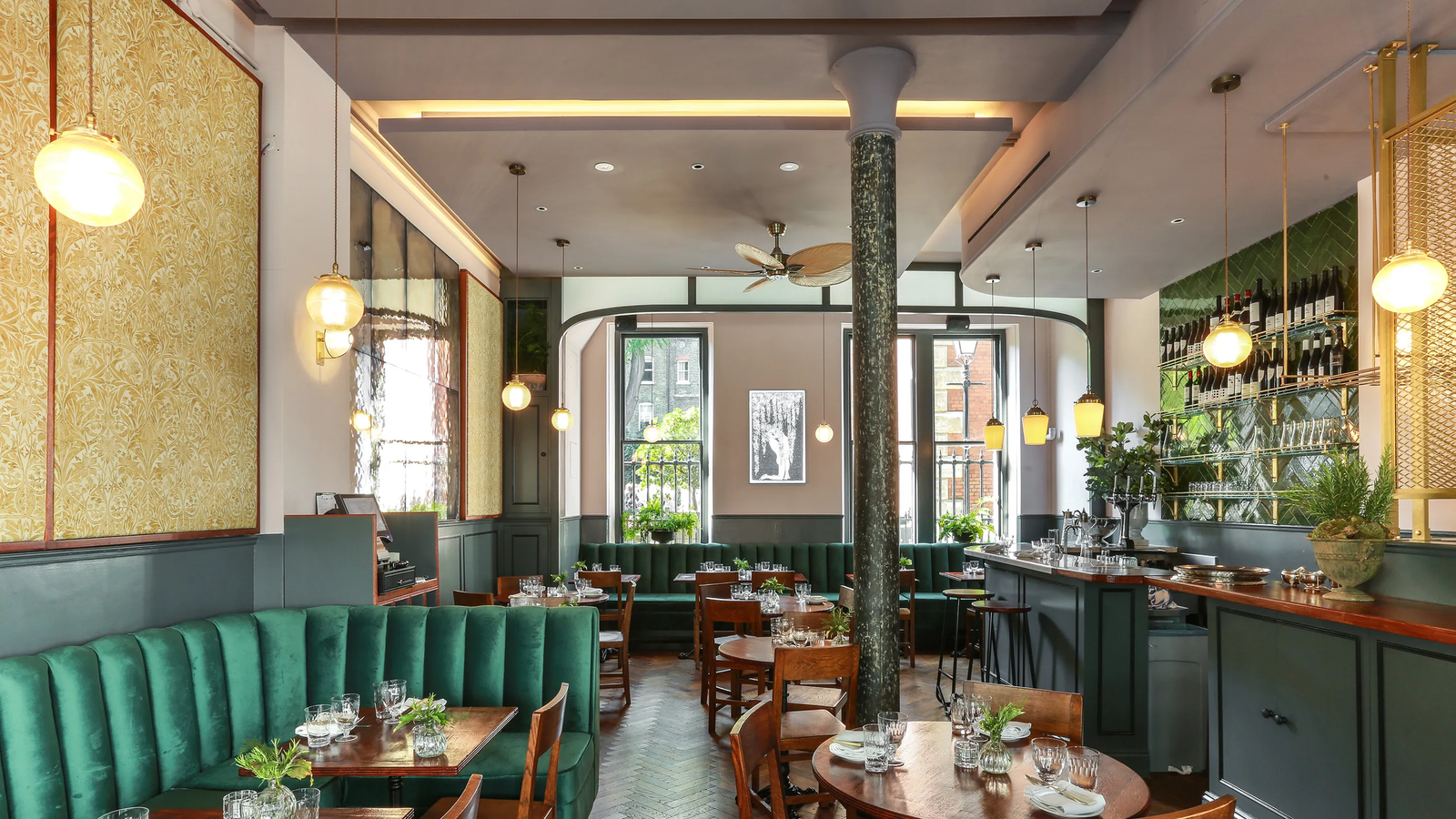
London summers have become harder on restaurants. Heatwaves that push the city past 30°C are no longer rare, and a busy kitchen can easily run 10°C hotter than the street outside. When the heat builds, chefs get tired, guests leave early and refrigeration equipment starts to struggle. A hot restaurant is uncomfortable for everyone, and it can also put food safety at risk.
The good news is that most of the problems are predictable, which means they can be planned for. Below are twelve practical ways to keep both the back and front of house cool through the summer months.
1. Get Your Air Conditioning Serviced Before the First Heatwave
The worst time to discover a fault in your air conditioning is the first 30°C day of the year, when every engineer in London is fully booked. A spring service cleans filters and coils, checks refrigerant levels and catches worn parts before they fail under load. Planned servicing also keeps the system running efficiently, which helps with energy costs over the summer.
2. Design Cooling Around How the Space Is Used
A dining room and a kitchen have very different cooling needs. Kitchens generate a large amount of heat from ranges, fryers and ovens, while dining areas need quiet, draught-free comfort. Good system design pairs powerful cooling and extraction in the kitchen with discreet units such as ceiling cassettes or ducted systems in the dining room. If your current setup treats the whole restaurant as one space, it may be time for a professional survey. Be Cool’s air conditioning services in London include free site surveys for restaurants and hospitality venues, with systems designed to balance kitchen heat against dining comfort.
3. Check the Kitchen Extraction System
Extraction removes heat, smoke and grease from the cooking line. If filters are clogged or fans are underperforming, heat builds up fast. Have extraction canopies and ductwork cleaned on a regular schedule, and make sure make-up air is coming in so the kitchen does not become a vacuum that pulls hot air from elsewhere.
4. Give Your Refrigeration Room to Breathe
Fridges and freezers reject heat through their condensers. When they are packed into a tight corner next to the fryer, they recycle their own hot air and work far harder than they should. Leave space around each unit, keep condensers clear of boxes, and move equipment away from heat sources where possible.
5. Clean Condenser Coils Regularly
Kitchen air carries grease and dust, which settle on condenser coils and act like a blanket. A dirty condenser can make a fridge run constantly, push temperatures up and eventually cause the compressor to fail. Monthly cleaning in a busy kitchen is a sensible habit, and it costs almost nothing.
6. Watch for Early Signs of Refrigeration Trouble
In hot weather, small faults become big ones quickly. Temperature creep, frost build-up, water leaks, new noises and error codes on the controller are all signs that a fridge or cold room needs attention. When something looks wrong, book a repair straight away rather than waiting for the weekend rush to end. Commercial fridge repair from Be Cool Refrigeration covers prep counters, upright fridges and freezers, blast chillers and walk-in cold rooms, with emergency callouts available 24/7 for restaurants that cannot afford to lose stock.
7. Shade South- and West-Facing Windows
Large glass frontages look great but let in a lot of solar heat in the afternoon. Blinds, awnings and solar control film can reduce heat gain considerably and take pressure off the air conditioning during the late-afternoon peak, just as dinner service begins.
8. Schedule Heavy Cooking for Cooler Hours
Where your menu allows, move long cooks, stock reductions and baking to the early morning. The kitchen will start the lunch service cooler, and refrigeration units will not be fighting the combined heat of the line and the afternoon sun.
9. Keep Fridge Doors Closed and Organised
Every time a fridge door is opened, warm air rushes in. In a busy kitchen, that happens hundreds of times a shift. Organise fridges so chefs can find what they need quickly, use clear labelling, and avoid propping doors open while restocking. Check door seals for splits or gaps, as a poor seal lets warm air in constantly.
10. Keep Your Team Hydrated and Rotated
Heat stress affects concentration and safety. Provide cold drinking water, encourage regular breaks away from the line and, where possible, rotate staff between hotter and cooler stations. A cooler kitchen helps with staff retention too, which matters in a tight hospitality job market.
11. Monitor Temperatures Closely and Keep Records
Hot weather is when food safety records matter most. Increase the frequency of temperature checks on fridges, freezers and cold rooms during heatwaves, and use calibrated probe thermometers rather than relying only on displays. If a unit drifts out of range, you will have a record of when it happened and what you did about it.
12. Put a Maintenance Contract in Place
Most restaurant cooling failures are preventable. A planned maintenance contract covering both air conditioning and refrigeration means scheduled servicing, early detection of worn parts and priority response if something does break. Using one contractor for both systems also means a single point of contact who knows your site.
Choosing the Right Engineer
Air conditioning and refrigeration systems both contain fluorinated refrigerants, so any engineer working on them must hold a valid F-Gas certificate under UK law. Look for a company with experience in hospitality, transparent pricing and genuine 24/7 cover, because restaurant breakdowns rarely happen at convenient times.
Be Cool Refrigeration has worked with London restaurants and food brands since 2004, including names such as KFC, Saravanaa Bhavan and Kokoro. The company has completed more than 2,000 projects, every engineer is F-Gas certified, and prices are quoted before work starts with no hidden call-out fees.
Final Thoughts
A cool restaurant does not happen by accident. It comes from well-designed air conditioning, well-maintained refrigeration and a few sensible habits in the kitchen. Get your systems checked before the heat arrives, keep an eye on the warning signs, and have a trusted engineer on call. Your staff, your guests and your stock will all be better for it.
