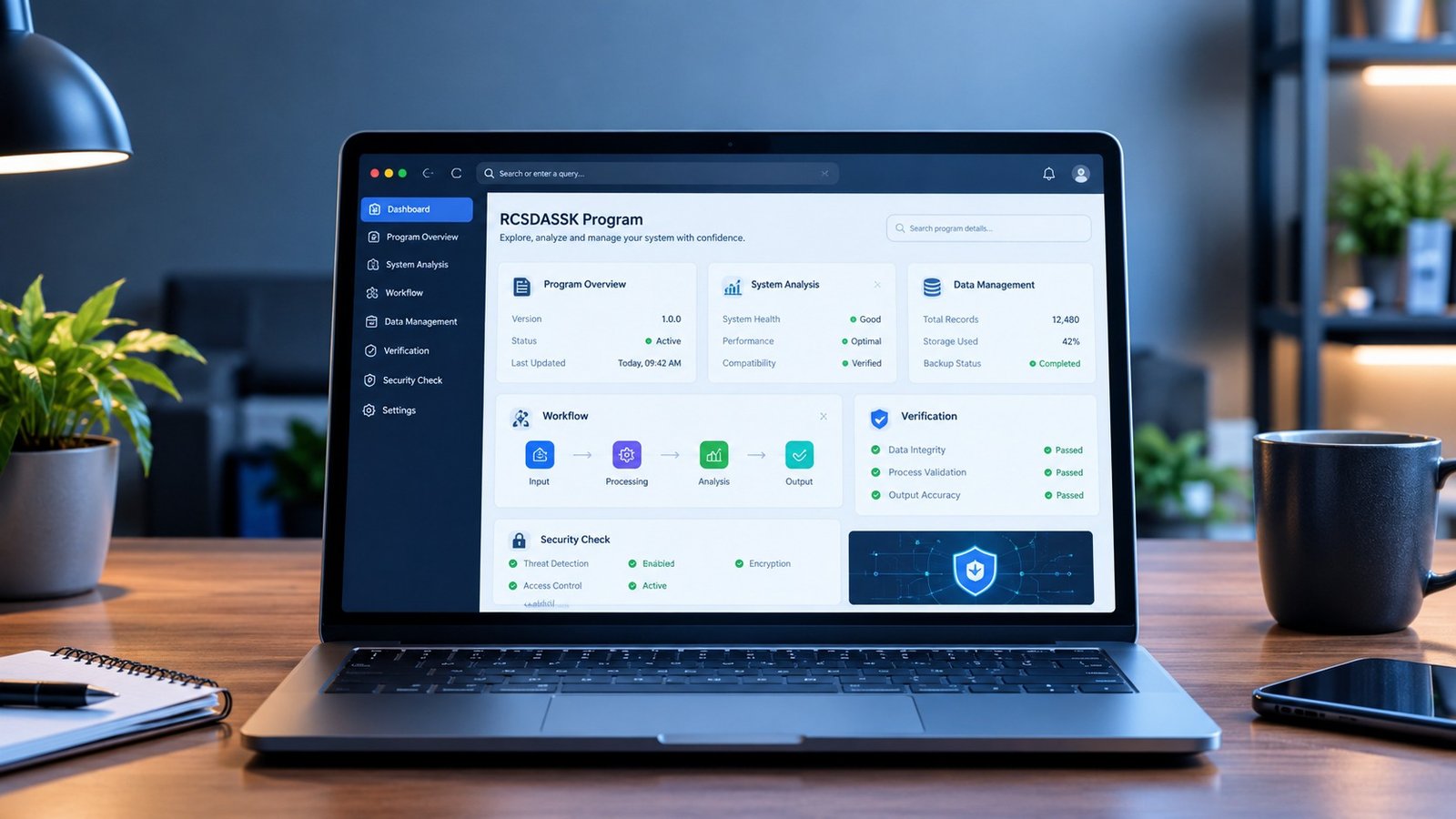

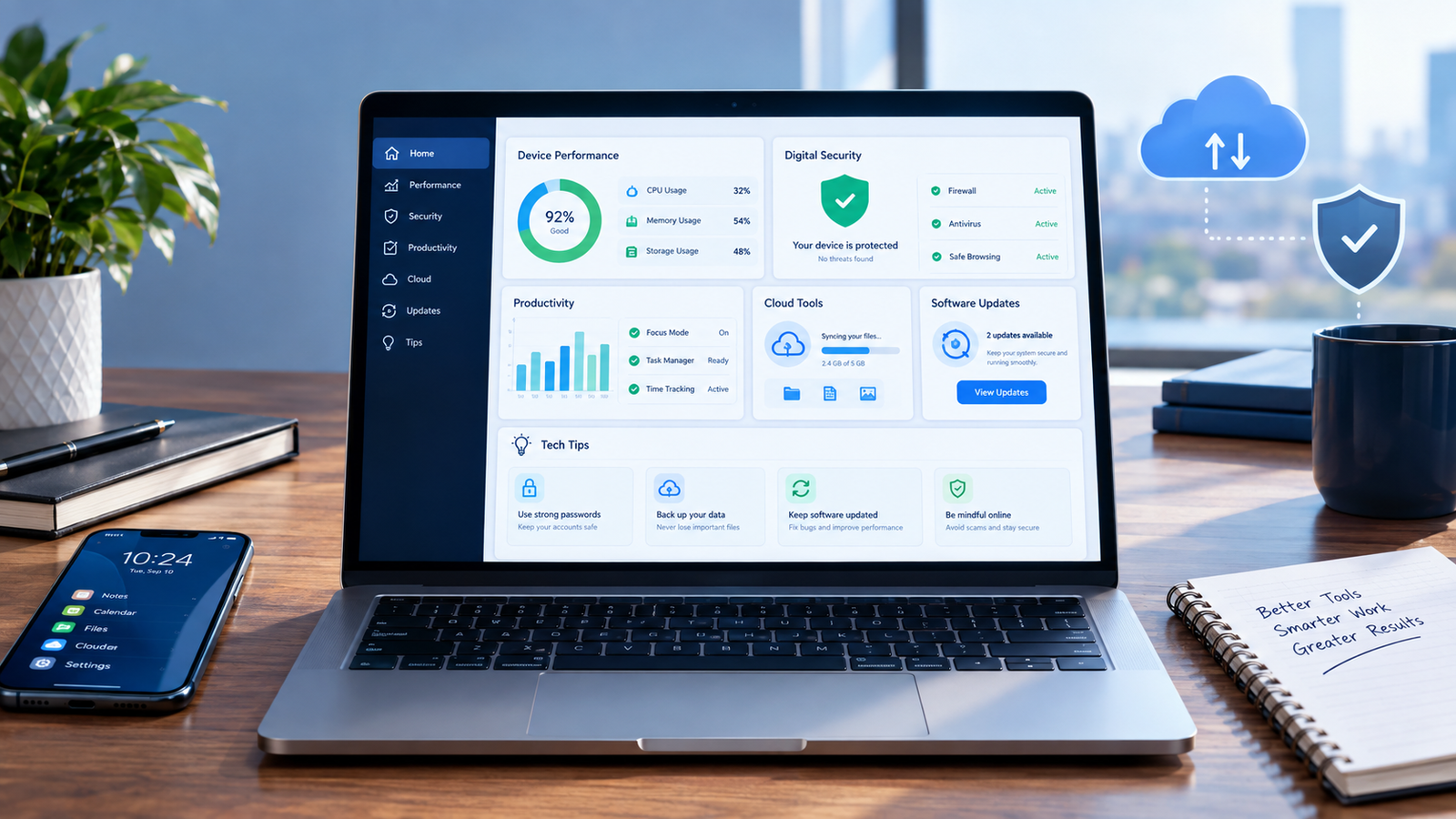
tips for tech beaconsoftTechnology is now part of almost everything we do. From phones and laptops to cloud platforms, online accounts, AI tools, and digital communication, the right technology can save time and make everyday tasks much easier. But simply having modern tools is not enough. Knowing how to use them properly is what really makes the difference.
The phrase tips for tech beaconsoft can be useful for people looking for practical technology guidance, especially advice around productivity, security, device management, digital organisation, and smarter technology habits. Beaconsoft-related search results include content focused on practical tech tips and “Tips for Tech-Heads”, covering areas such as productivity, security, integrations, and everyday technology use.
Whether you are a beginner, student, remote worker, business owner, or technology enthusiast, the best approach is usually simple: understand what you are using, make one improvement at a time, protect your information, and regularly review whether your tools are actually helping you.
Understand Your Technology Before Changing Settings
One of the most useful tips for tech beaconsoft readers is to understand a device, application, or digital service before changing important settings. It is tempting to follow a quick optimisation trick because it promises better speed or performance, but a setting that helps one person may create problems for another. Start by identifying what you are trying to improve and why it matters.
For example, if your laptop feels slow, do not immediately install a system-cleaning application or change advanced settings. Check available storage, running applications, startup programs, operating-system updates, and browser extensions first. The same principle applies to smartphones and other connected devices. Finding the actual cause of a problem is usually more effective than applying several random fixes.
It is also helpful to record important settings before making significant changes. Take a screenshot or write down the original configuration when possible. This gives you a simple rollback option if something stops working correctly. Good technology management is not about changing everything; it is about making controlled improvements that you can understand and reverse.
Improve Productivity With Better Digital Organisation
Technology can increase productivity, but it can also create distractions. Multiple applications, browser tabs, notifications, cloud folders, and communication channels can quickly become difficult to manage. A cleaner digital environment can make everyday work feel much easier without requiring expensive software or complicated systems.
Start by identifying the tools you actually use. Remove applications that are unnecessary, organise important files into clearly named folders, and keep frequently used resources easy to access. If you regularly repeat the same task, look for a template or automation option instead of performing every step manually. Practical Beaconsoft-related guidance also highlights templates, automation, integrations, and streamlined workflows as ways teams can reduce unnecessary manual work.
Another useful habit is to reduce notification overload. Not every message needs an immediate response. Turn off unnecessary alerts and keep important notifications enabled. You can also create separate browser profiles or workspaces for different activities. Small organisational changes like these can reduce interruptions and help you spend more time on meaningful work rather than managing digital clutter.
Make Security a Daily Technology Habit
Security should be treated as a regular habit rather than something you think about only after an account has been compromised. Strong, unique passwords are an important starting point, particularly for email, cloud storage, social media, and other accounts containing valuable information. Where available, enable multi-factor authentication for an additional layer of protection.
You should also be careful with links, attachments, downloads, and unexpected messages. A professional-looking email is not automatically trustworthy. Before entering a password or downloading a file, check where the link leads and whether the request makes sense. For software downloads, use the developer’s official website or a trusted distribution channel rather than an unknown third-party source.
Backups are another essential part of security. Important photographs, documents, projects, and other files should not exist in only one location. A reliable backup can reduce the damage caused by hardware failure, accidental deletion, account problems, or other unexpected events. Security guidance associated with Beaconsoft-style tech advice similarly emphasises practices such as multi-factor authentication, permission reviews, strong access controls, and data hygiene.
Keep Devices and Software Properly Maintained
A device does not necessarily need to be replaced just because it has become slower. Performance problems can sometimes come from limited storage, too many background applications, outdated software, excessive browser extensions, or settings that have accumulated over time. Regular maintenance can help you understand whether the problem is software-related or whether the hardware itself has reached its practical limits.
Updates are particularly important. Operating-system and application updates can include bug fixes, security improvements, compatibility changes, and performance adjustments. However, before applying a major update to a business-critical environment, make sure important information is backed up and that essential applications are compatible. This is especially relevant when working with older hardware or specialised software.
Storage management is another simple area to review. Delete files you no longer need, remove unused applications, and move large archives to appropriate storage when necessary. Avoid blindly deleting system files just because a guide claims they are unnecessary. If you do not know what a file or setting does, verify it through official documentation before removing or changing it.
Choose AI, Cloud, and Online Tools Carefully
Modern technology gives users access to an enormous number of AI, cloud, productivity, and collaboration tools. The challenge is no longer finding a tool; it is deciding which tools genuinely provide value. Before adopting a new service, ask what specific problem it solves and whether the benefit justifies the cost, learning curve, and potential privacy considerations.
AI tools can be particularly useful for brainstorming, summarising information, organising ideas, drafting content, and automating repetitive work. However, generated information should still be reviewed before it is used for important decisions. Do not assume that an AI-generated answer is automatically correct simply because it sounds confident or detailed.
Cloud services can also improve accessibility and collaboration, but users should understand how their information is stored and shared. Review account permissions, sharing links, recovery options, and available backup features. For sensitive work information, follow your organisation’s security requirements rather than choosing a service solely because it is convenient.
Test Technology Changes Instead of Guessing
One of the strongest technology habits is to make changes gradually. When several settings are changed at the same time, it becomes difficult to determine which change helped or caused a problem. Instead, identify one issue, make one reasonable adjustment, and observe the result.
For example, if a computer is running slowly, you might first check startup applications. If performance improves after disabling an unnecessary program, you have useful information. You can then move to the next potential issue. This method may take slightly longer than applying a dozen fixes at once, but it gives you much better control over the system.
The same approach works for business technology. If a team introduces a new application, automation rule, or integration, begin with a limited test group. Define what success means before the rollout and measure the results afterwards. Beaconsoft-related guidance similarly recommends starting with focused use cases, measurable outcomes, phased implementation, and testing before wider adoption.
Verify Technology Advice Before Acting on It
Not every technology tip found online is equally reliable. A short article or social-media post may provide a useful idea, but important technical instructions should be checked against primary sources. This is especially important when advice involves security, operating-system settings, financial accounts, privacy, business data, or irreversible changes.
Look for the exact product name, software version, device model, publication date, and original documentation. If a recommendation refers to a particular application, visit the application’s official documentation and confirm that the feature actually exists. This simple verification step can prevent users from following outdated or inaccurate instructions.
It is also worth recognising that a technology publication or advice website is not necessarily the same thing as official product documentation. Search results for the keyword show Beaconsoft-related editorial and technology-tip content, including a “Tips for Tech-Heads” category, so readers should still distinguish general technology guidance from vendor-specific instructions.
Build a Simple Long-Term Tech Routine
Good technology management becomes much easier when it is turned into a routine. You do not need to spend hours every week maintaining every device. A short monthly review can be enough to identify unused applications, old files, unnecessary permissions, outdated software, and accounts that need attention.
During this review, check your important backups, account security, storage space, software updates, and active subscriptions. Look at the tools you use most frequently and ask whether they are still helping you. Technology changes quickly, so a workflow that made sense a year ago may not be the most efficient option today.
The most important lesson behind tips for tech beaconsoft is that better technology use does not always require more technology. Often, the biggest improvements come from understanding your existing tools, removing unnecessary complexity, protecting your information, and making small changes based on real results. A thoughtful approach will usually be more useful than chasing every new application, setting, or trend.
Final Thoughts
Technology should make life and work easier, not more confusing. By keeping your devices organised, securing important accounts, maintaining software, choosing digital tools carefully, and testing changes one at a time, you can create a more reliable digital environment.
If you are exploring tips for tech beaconsoft, focus on advice that is practical, measurable, and appropriate for your particular device or workflow. Verify important claims, use official documentation when necessary, and avoid making major changes simply because an online article promises instant results.
The best technology strategy is not about knowing every new tool. It is about knowing which tools you need, understanding how they work, and using them safely and efficiently.
Frequently Asked Questions
What are tips for tech beaconsoft?
The phrase generally relates to practical technology advice associated with Beaconsoft-related tech content and searches. It can cover productivity, device management, security, digital organisation, and smarter technology habits.
Are these tips suitable for beginners?
Yes. Most basic technology practices, such as organising files, enabling multi-factor authentication, checking updates, and reducing unnecessary applications, can be useful for beginners as well as experienced users.
How can I improve my device performance?
Start by identifying the actual cause. Check storage, background applications, startup programs, software updates, and browser extensions before making advanced changes.
Should I follow every technology tip I find online?
No. Verify important recommendations through official documentation, especially when advice involves security, privacy, accounts, financial information, or system-level changes.
Is more technology always better?
Not necessarily. Adding more applications and services can increase complexity. The better approach is to use technology that solves a clear problem and provides measurable value.