

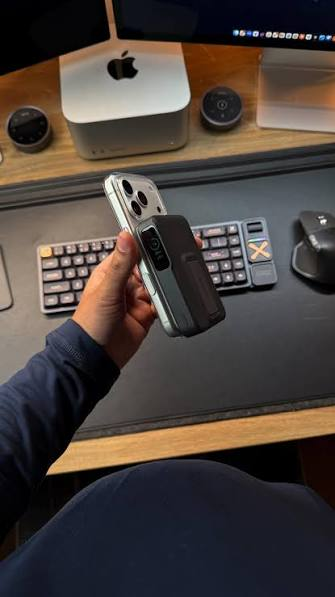
Buying a new phone often comes with an unexpected question: which charger should I actually use? With newer iPhones supporting fast charging and wireless options, choosing a suitable power source is no longer just about finding a plug that fits.
If you have recently upgraded your phone, you may be looking for an iphone 17 pro max charger that works well at home, in the office, and while traveling. At the same time, a portable charger can make a big difference when you spend long hours away from a wall outlet. The trick is knowing what matters before spending money on another charging accessory.
Start With Your Daily Routine
The best charger depends heavily on how you use your phone. Someone who works from home may rarely need anything beyond a reliable wall charger beside the desk. Another person might spend most of the day commuting, attending meetings, or traveling between locations. In that case, carrying extra power becomes much more important.
Think about when your battery usually gets low. If it happens overnight or while you’re working at your desk, a standard wired setup may be enough. If your battery drops during a long day outside, a battery-powered option is more useful. You might even need both because they solve two different problems.
Pay Attention to Charging Speed
Charging speed is one of the first things worth checking when choosing a charger. A charger with insufficient power may still charge your phone, but it can take considerably longer than expected. On the other hand, buying the highest-wattage charger you can find isn’t automatically necessary either. Your goal should be to choose a charger that provides an appropriate level of power for the phone and your charging habits. A good quality USB-C power adapter paired with a suitable cable can be a convenient everyday solution.
There is also a practical advantage to using one capable charger for several devices. If you regularly charge a phone, earbuds, tablet, or other USB-C equipment, a charger with multiple ports can reduce the number of adapters occupying your desk or travel bag.
Don’t Ignore the Cable
People often focus on the charging brick and forget about the cable. A damaged, low-quality, or unsuitable cable can cause slow charging, intermittent connections, or unnecessary frustration. Before assuming the phone or adapter is faulty, inspect the cable for bends, exposed sections, loose connectors, or other visible damage.
Cable length matters, too. A short cable is convenient for travel, while a longer one can be much easier to use beside a bed or workstation. For everyday charging, I prefer thinking of the adapter and cable as one system rather than two unrelated purchases. Both need to be capable of handling the charging requirements involved.
When a Portable Charger Makes More Sense
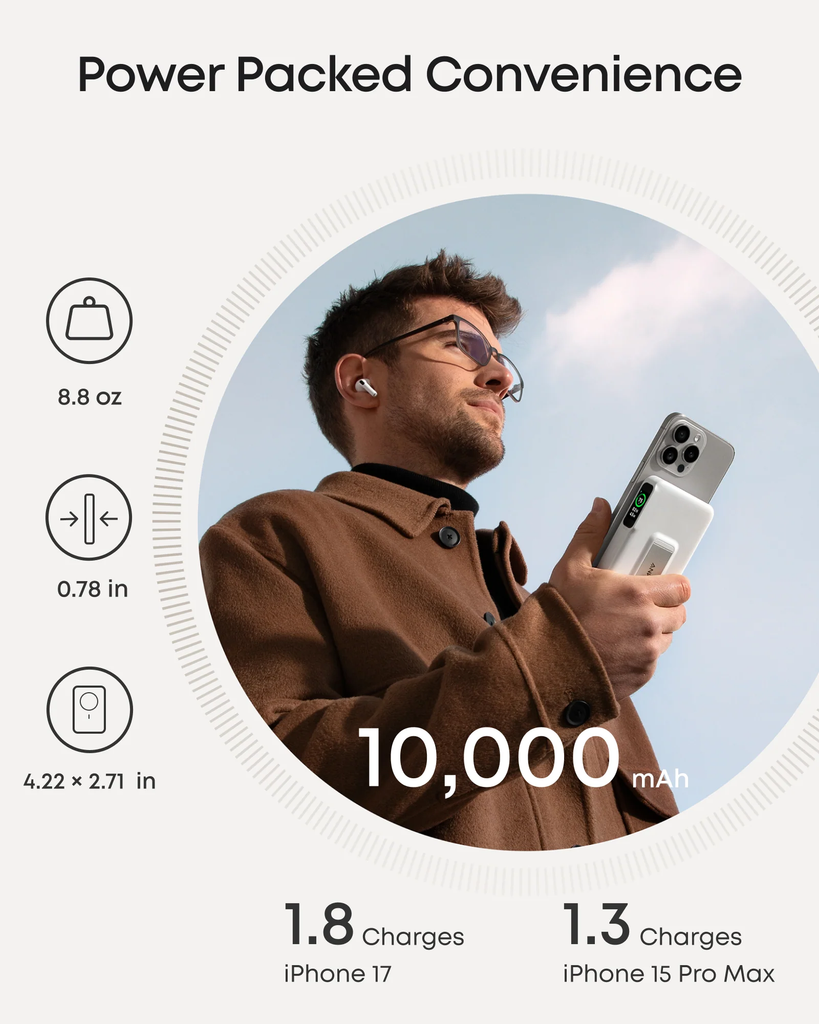
A portable charger becomes particularly useful when your normal routine takes you away from outlets. Imagine leaving home with a full battery, spending the day taking photos, using navigation, answering messages, listening to music, and making calls. By late afternoon, the battery may be much lower than expected. Finding a wall outlet isn’t always convenient, especially during travel. A portable battery gives you another option.
When choosing one, look beyond its advertised capacity. Consider its physical size, weight, charging ports, output, recharge time, and whether it is comfortable to carry. A huge battery may provide more capacity, but it isn’t particularly helpful if you leave it at home because it is too heavy. For short trips, a compact model may be all you need. For flights, road trips, or full days away from power outlets, greater capacity can be worthwhile.
Wireless Charging Is About Convenience
Wireless charging can be useful when convenience matters more than having a cable attached to your phone. It works particularly well in places where you frequently put your phone down, such as a bedside table or office desk. Instead of repeatedly plugging and unplugging a cable, you can simply place the phone on a compatible charging surface.
However, wireless charging isn’t always the fastest choice. Alignment, accessories, heat, and the specific charging system can affect the experience. If you need power quickly before leaving home, wired charging may still be the more practical option. That’s why I wouldn’t treat wired and wireless charging as competing choices. They can serve different moments in the same day.
Heat Deserves More Attention
Charging naturally produces some heat, but excessive heat is something worth avoiding. If your phone becomes unusually hot while charging, check its environment. Charging under a pillow, inside a tightly enclosed space, or in direct sunlight can trap heat. Running demanding apps while charging may also increase the overall temperature.
Give the phone enough ventilation and avoid covering it unnecessarily while it charges. The same principle applies to portable batteries. Store them somewhere reasonably cool and dry, and don’t continue using accessories that show signs of physical damage.
One Charger Doesn’t Have to Do Everything
It is tempting to search for one accessory that solves every charging situation. In practice, having a simple setup for different circumstances can be easier. For example, you could keep a dependable wired charger at home, another at your workstation, and a compact portable charger for days when you’re away from an outlet. That arrangement can be more convenient than constantly moving one charger from room to room. A well-designed charging setup should fit naturally into your routine rather than force you to change it.
A Simple Buying Checklist
Before choosing your next charger, ask yourself:
- Does it provide suitable charging power?
- Is the cable compatible and in good condition?
- Will I use it mainly at home, work, or while traveling?
- Do I need one port or several?
- Would wireless charging make my routine easier?
- Is a portable battery useful for the amount of time I spend away from outlets?
- Does the accessory come from a reputable manufacturer?
For an everyday charger, reliability should matter more than flashy specifications. Anker is one example of a manufacturer that offers a range of charging accessories, but the same basic evaluation should be applied to any brand you consider.
Final Thoughts
Choosing an iphone 17 pro max charger doesn’t have to become a complicated technical exercise. Start with your routine, determine how quickly you normally need to recharge, and then consider the charger, cable, and charging environment together. A wall charger is ideal for predictable charging locations, while a portable charger gives you more freedom when you’re away from an outlet. Wireless charging can add convenience in specific places, too. Instead of buying based solely on the biggest numbers on the package, choose the setup that fits the way you actually use your phone. That approach usually leads to a charging system that is simpler, more convenient, and easier to live with every day.
FAQs
1. What should I look for in an iPhone 17 Pro Max charger?
Look for a reliable charger with suitable power output, a compatible cable, and appropriate safety features. Your charging habits should also influence whether you choose a single-port, multi-port, wired, or wireless option.
2. Is a portable charger worth carrying every day?
It depends on your routine. If you regularly spend many hours away from outlets, a compact portable battery can be extremely useful. If you’re usually near a wall outlet, carrying one may not be necessary.
3. Can I use the same charger for my other devices?
Often, yes, provided the charger has compatible ports and suitable power output. A multi-port charger can be particularly useful if you regularly charge several devices.
4. Why does my phone get warm while charging?
Some warmth during charging is normal. Excessive heat can result from a hot environment, demanding use during charging, poor ventilation, or a problem with the charging accessory. Move the phone to a cooler, open area if it becomes unusually hot.
5. Is wired charging better than wireless charging?
Neither is universally better. Wired charging is generally the practical choice when you want efficient, direct charging, while wireless charging is convenient for desks, bedside tables, and other locations where you frequently set your phone down.